

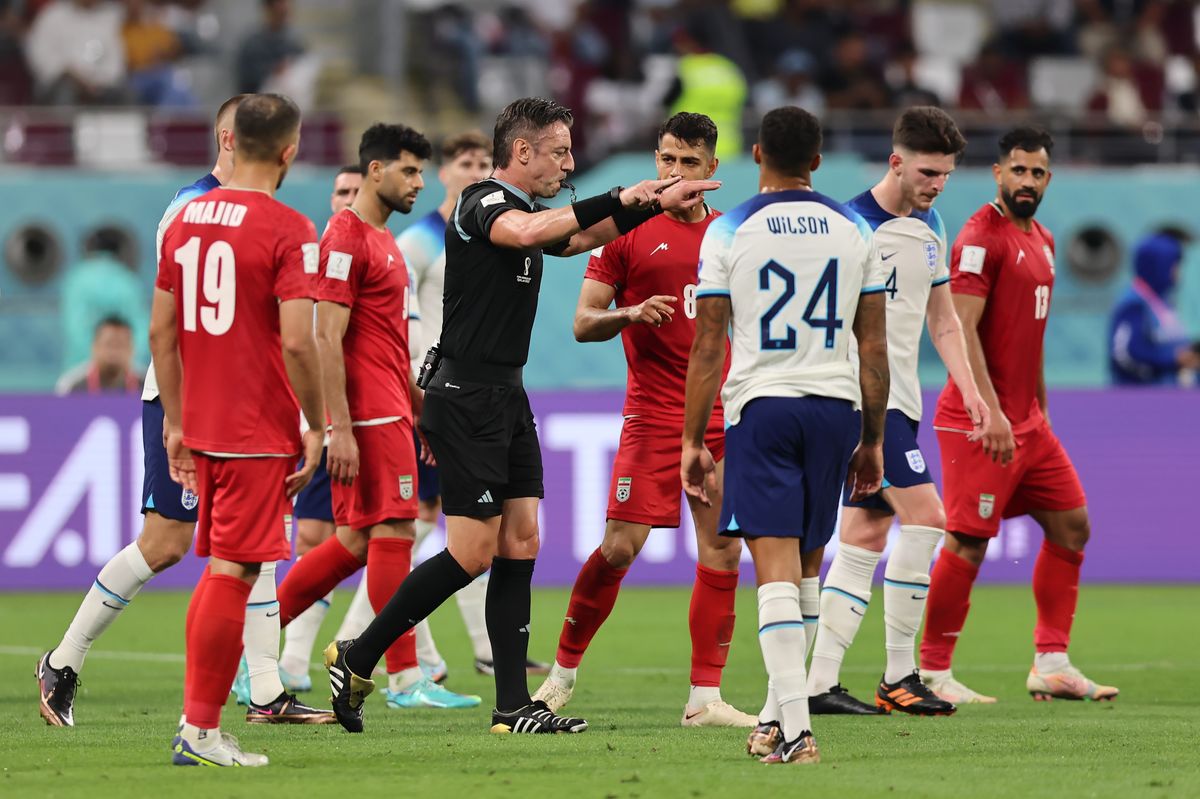
VAR controversies have become one of the most talked-about subjects in modern football. Since the introduction of Video Assistant Referee (VAR), the game has witnessed dramatic shifts in how decisions are made, but also in how fans, players, and coaches react to them. What was meant to bring clarity has often brought chaos, leaving stadiums buzzing with frustration and heated arguments.
The Birth of VAR and Its Promise
When VAR was first introduced, it was hailed as a revolutionary step toward fairness. The idea was simple: reduce human error by allowing referees to review critical incidents with video technology. Goals, penalties, red cards, and mistaken identity were the key areas VAR was designed to address. Yet, despite its noble intentions, VAR controversies quickly overshadowed its benefits.
Fans expected smoother matches, but instead, they often found themselves waiting anxiously while referees stared at screens. The promise of precision sometimes turned into prolonged pauses, breaking the rhythm of the game and leaving supporters restless.
Famous VAR Controversies That Shook Football
One of the earliest high-profile incidents occurred during the 2018 World Cup. A penalty awarded to France against Australia after a VAR review sparked outrage, with many arguing it was too soft. Similarly, in the Premier League, countless matches have been defined by marginal offside calls—where a striker’s toe or shoulder was deemed offside by mere millimeters.
Liverpool vs. Tottenham in 2023 is another example. A goal was wrongly disallowed due to a VAR miscommunication, leading to widespread criticism and calls for reform. These moments highlight how VAR controversies are not just about technology but about interpretation, communication, and trust.
Why VAR Sparks So Much Debate
Football is an emotional sport. Fans live for the drama, the unpredictability, and the raw passion. When VAR interrupts that flow, emotions boil over. Supporters argue that the game is losing its spontaneity. Players often feel robbed of their celebrations when goals are overturned minutes later. Coaches, meanwhile, struggle with the inconsistency of decisions.
The heart of VAR controversies lies in subjectivity. Even with video replays, decisions are not always clear-cut. A handball to one referee may look accidental, while another may see it as deliberate. Technology can show the incident, but interpretation remains human.
VAR Controversies in Different Leagues
The Premier League has arguably seen the most heated debates. From offside lines drawn with extreme precision to handball rules that seem to change every season, English football has been at the center of VAR drama. In Serie A and La Liga, similar issues persist, though fans in Italy and Spain often complain less about offside and more about penalty decisions.
Interestingly, the Bundesliga in Germany was among the first leagues to adopt VAR, and while it faced initial backlash, gradual improvements have made it more accepted. Still, VAR controversies remain universal, proving that no league is immune.
The Human Side of VAR
Behind every decision lies a referee under immense pressure. Imagine standing in front of 60,000 fans, knowing millions are watching worldwide, and having to make a split-second call. VAR was meant to ease that burden, but in reality, it has added another layer of stress. Referees now face criticism not only for their on-field decisions but also for how they interpret video evidence.
Players, too, are caught in the storm. Strikers hesitate to celebrate goals, fearing they might be ruled out. Defenders often appeal to VAR even when decisions seem clear. The emotional toll of VAR controversies is undeniable.
Technology vs. Tradition
Football has always thrived on its imperfections. Controversial goals, questionable penalties, and debatable red cards were part of the charm. VAR, however, has attempted to eliminate those imperfections, but in doing so, it has created new ones. The debate now centers on whether football should embrace technology fully or preserve its traditional unpredictability.
Some argue that without VAR, injustice would prevail. Others believe that with VAR, the soul of the game is being lost. This tug-of-war ensures that VAR controversies will remain a hot topic for years to come.
Real-Life Fan Experiences
Ask any fan, and they’ll have a story about VAR. A Manchester United supporter might recall a last-minute goal ruled out for offside by a fraction. A Barcelona fan could talk about a penalty awarded against them after a lengthy review. These stories are shared in pubs, on social media, and in stadiums, fueling the narrative that VAR is as much a villain as it is a hero.
The emotional rollercoaster of waiting for a decision, the frustration of seeing lines drawn across the screen, and the joy or despair that follows—these are the lived experiences that make VAR controversies so powerful.
The Future of VAR
Despite the criticism, VAR is here to stay. FIFA and UEFA continue to refine its use, introducing semi-automated offside technology and clearer communication protocols. The hope is that these improvements will reduce errors and restore trust. Yet, as long as human interpretation remains part of the process, debates will continue.
Fans may eventually adapt, just as they did with goal-line technology. But the journey will be long, and VAR controversies will remain part of football’s evolving story.
Read also:
villarreal cf vs fc barcelona lineups
east bengal fc vs mohun bagan super giant lineups
mohun bagan super giant vs bengaluru fc lineups
kerala blasters vs chennaiyin fc lineups
ac milan vs bologna fc lineups