

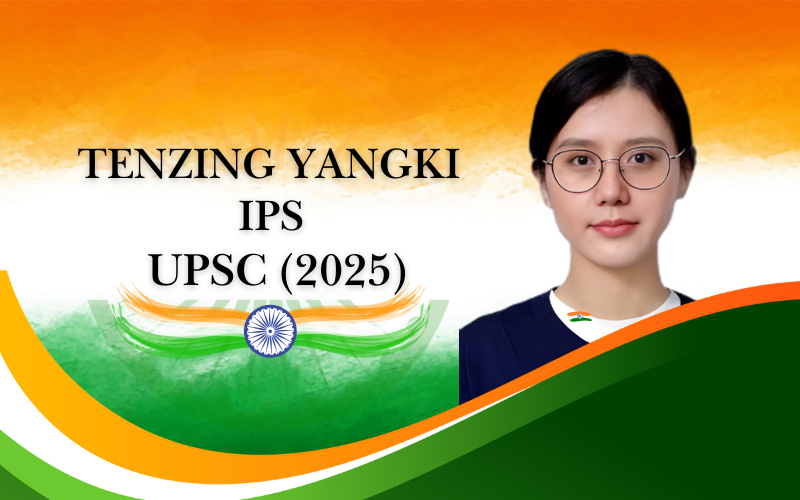
The Indian Police Service has a wide role covering law enforcement, public safety, administration, security, and police leadership. officersdetails.com provides readers with practical information about IPS officers, their careers, ranks, postings, professional responsibilities, training, achievements, and different areas of service.
The Role Of IPS Officers
IPS officers work within India’s police and public administration system and can receive responsibilities at different levels.
Their work may involve maintaining law and order, supervising investigations, managing police personnel, planning security arrangements, handling administrative matters, and coordinating with other government agencies.
The exact responsibilities depend on the officer’s posting.
A field officer may spend considerable time dealing with local policing issues and community interaction.
A senior officer can have a broader role involving policy, supervision, planning, or administration.
Specialized assignments may involve intelligence, security, investigation, training, technology, or other areas.
Because of this variety, an IPS career can develop differently for every officer.
How IPS Selection Works
Candidates normally enter the IPS through the Civil Services Examination conducted by the Union Public Service Commission.
The examination involves several stages and requires substantial preparation.
Candidates first appear for the preliminary stage, followed by the main examination and personality test for those who qualify under the applicable rules.
Service allocation is influenced by merit, preferences, available vacancies, category provisions, medical standards, and other requirements.
Therefore, clearing the examination process does not mean every successful candidate will necessarily receive the same service.
Aspirants should study current examination rules carefully before beginning serious preparation.
Official notifications should always be preferred when checking eligibility, vacancies, examination dates, or selection procedures.
Training Builds Police Leadership
Training prepares newly selected officers for the responsibilities associated with police administration.
Training may include law, investigation, public order, leadership, police procedures, physical fitness, communication, technology, and administrative subjects.
Practical exercises help officers understand how policing works beyond textbooks.
An officer may need to supervise personnel, respond to emergencies, communicate with citizens, and coordinate with several departments.
These situations require both knowledge and judgment.
Training also encourages discipline and professional conduct.
Specific training schedules and modules can change over time according to government requirements.
Readers interested in exact current training arrangements should consult official sources.
Understanding Police Ranks
The police hierarchy contains multiple ranks with different responsibilities.
IPS officers can serve in positions associated with Assistant Superintendent of Police, Superintendent of Police, Deputy Inspector General, Inspector General, Additional Director General, and Director General.
The duties of each position depend on the assignment.
For example, one officer may manage a district while another officer with a similar level of seniority may work in a specialized department.
Senior ranks generally involve broader supervision and organizational responsibility.
However, rank should not be viewed as the only measure of an officer’s professional role.
Department, location, assignment, and operational requirements all influence the actual work.
District Police Responsibilities
District policing provides officers with direct exposure to local law enforcement.
Responsibilities can include supervising police stations, monitoring serious crimes, reviewing investigations, planning public order arrangements, and coordinating emergency responses.
Officers may also work closely with district administration and other government departments.
Local conditions can influence policing priorities.
A district with frequent public events may require different planning from an area facing different safety concerns.
Officers therefore need to understand both general police procedures and local circumstances.
Strong supervision helps ensure that police teams remain coordinated and that important operational matters receive attention.
Law And Order Planning
Maintaining public order often requires preparation before an event or situation begins.
Police departments may prepare arrangements for festivals, demonstrations, major gatherings, sporting events, political programs, and other public activities.
Planning can involve deployment of personnel, traffic arrangements, communication systems, emergency support, and coordination with other authorities.
Circumstances can change quickly, so plans need to remain flexible.
Senior officers may have to make decisions based on changing information.
The goal is to protect citizens while maintaining lawful public activity and preventing unnecessary escalation.
Effective planning can make emergency responses more organized.
Investigation Requires Supervision
Police investigation involves collecting and evaluating information according to applicable procedures.
Senior officers may supervise serious cases and review the progress of investigation teams.
Evidence can include witness statements, documents, forensic material, financial records, digital files, and other relevant information.
Different cases require different investigative approaches.
Technology has also changed the nature of evidence.
Cybercrime investigations may involve digital devices, online accounts, electronic transactions, and other technical material.
Specialized investigators and forensic experts can assist when technical knowledge is required.
IPS officers may coordinate these teams while focusing on supervision, organization, and broader investigative direction.
Technology Changes Police Work
Digital technology has become increasingly important in modern policing.
Police organizations can use technology for record management, communication, crime analysis, investigation, forensic work, and emergency coordination.
Large amounts of information can now be stored and processed digitally.
However, criminals can also use technology to commit offenses.
Online scams, financial fraud, identity misuse, unauthorized access, and other cyber-related activities create new challenges.
Police leadership therefore needs an understanding of these risks.
IPS officers may work with specialist teams that provide technical knowledge.
The ability to coordinate these resources effectively can support modern investigative and administrative work.
Specialized Assignments Offer Exposure
An IPS officer’s career may include specialized assignments beyond traditional district policing.
Possible areas include intelligence, security, investigation, training, administration, cyber-related work, and other specialized police functions.
Some officers may also work with central government organizations through appropriate assignments.
Such roles can provide exposure to different operational systems.
Officers may have to coordinate with organizations operating across several regions.
Eligibility and availability for these assignments depend on applicable service rules and government requirements.
Career experiences therefore differ from one officer to another.
Leadership Requires Responsibility
Senior police officers are responsible for more than issuing instructions.
They need to manage people, resources, information, and operational priorities.
Clear communication helps teams understand their responsibilities.
Officers may also need to review performance, solve internal problems, coordinate departments, and make difficult decisions.
During emergencies, strong leadership can help personnel respond with greater coordination.
Fairness and consistency can also affect team morale.
A leader must be willing to accept responsibility for decisions.
Authority is important in police administration, but responsible use of authority is what supports effective leadership.
Communication With Citizens
Police officers regularly communicate with citizens during routine matters and emergencies.
People may approach police with complaints, safety concerns, disputes, missing-person cases, or reports of crime.
Such situations can be stressful for those involved.
Clear communication can help citizens understand the process and available options.
Listening is also important because the information provided by a complainant may be relevant to an investigation.
Not every complaint will produce the result a person expects.
Even then, professional communication can make the process clearer and more respectful.
Public confidence often develops through repeated experiences with police services.
Career Development Takes Time
An IPS career can include several postings and changing levels of responsibility.
Officers gain experience through field assignments, specialized departments, administrative positions, training roles, and senior leadership responsibilities.
A field assignment can develop practical knowledge of law and order and public interaction.
A specialized assignment may provide experience with intelligence, investigation, security, technology, or training.
Senior positions can require broader organizational planning.
Promotions follow applicable service rules and administrative procedures.
Professional growth is therefore a gradual process shaped by experience, responsibility, training, and changing assignments.
Discipline Supports Police Teams
Police departments depend on discipline because many personnel may need to work together under pressure.
Clear reporting structures and lawful instructions help teams coordinate their activities.
Professional discipline includes proper documentation, communication, punctuality, conduct, and responsible handling of authority.
Senior officers play an important role in maintaining these standards.
Discipline also means accepting accountability when mistakes occur.
A police organization needs personnel who can follow procedures while also responding intelligently to changing circumstances.
Good systems can reduce confusion during emergencies and improve the consistency of police operations.
Physical Fitness Remains Relevant
Physical readiness is useful for police officers, particularly during demanding field assignments.
Training generally includes activities designed to improve endurance, strength, coordination, and general fitness.
However, IPS responsibilities also require substantial intellectual and administrative work.
Officers may spend long periods reviewing reports, attending meetings, planning operations, supervising personnel, and making decisions.
Mental alertness is therefore equally important.
Police work can involve unpredictable schedules and emergencies.
Maintaining physical readiness and professional discipline can help officers handle these demands more effectively.
Fitness supports the role but works alongside leadership and judgment.
Women In Senior Police Roles
Women IPS officers have served in many areas of policing and administration.
Their assignments can include district policing, investigation, intelligence, security, training, administration, and specialized departments.
The exact role depends on posting and organizational requirements.
Greater representation of women can strengthen diversity within police leadership.
Police systems dealing with women and children also require trained personnel and appropriate procedures.
These responsibilities belong to the wider police organization and should not be viewed as limited to women officers alone.
Professional performance, experience, training, and leadership remain important throughout an officer’s career.
Building Community Cooperation
Police effectiveness can improve when communities cooperate with law enforcement.
Officers may communicate with residents, schools, businesses, community groups, and local representatives.
These relationships can help police understand recurring concerns and improve public communication.
Awareness programs can also provide information about cybercrime, traffic safety, emergency procedures, and crime prevention.
Trust develops slowly through consistent professional behavior.
Citizens may be more willing to share information when they believe police will treat their concerns responsibly.
Community cooperation cannot solve every problem, but it can support better communication and public safety.
Learning Keeps Officers Ready
Policing continues to change as technology and society develop.
Officers may encounter new forms of cybercrime, financial fraud, digital evidence, online offenses, and technology-assisted criminal activity.
Continuous learning helps police leaders understand these changes.
Specialized departments can provide technical support when required.
IPS officers may coordinate these specialists and ensure that their work supports broader investigative or operational objectives.
Professional development is therefore not limited to the initial training period.
Learning throughout the career can help officers adapt to new challenges.
Accountability Protects Public Trust
Police officers exercise legal authority that can significantly affect citizens.
This makes responsible decision-making essential.
Officers need to understand applicable laws and follow appropriate procedures.
Proper documentation and supervision can also support accountability.
Senior officers have responsibilities toward both the public and personnel working under their command.
Accountability does not reduce the importance of police authority.
Instead, it helps ensure that authority is exercised within appropriate legal and professional boundaries.
Public confidence can become stronger when citizens believe police institutions take responsibility seriously.
Finding Reliable Officer Details
Readers often search for information about individual IPS officers.
They may want to know an officer’s education, career history, ranks, postings, achievements, or current professional responsibilities.
Such information should be presented carefully because government assignments can change.
Historical postings should be identified as past assignments rather than current positions.
Professional information should also be separated from unnecessary private details.
Reliable sources are particularly important when publishing claims about an officer’s career.
Accurate profiles can help readers understand the officer’s professional journey without creating confusion.
Why Aspirants Study IPS Careers
Civil service aspirants often research IPS officers before choosing their career preferences.
Understanding the profession can help candidates develop realistic expectations.
The IPS offers opportunities for field work, administration, leadership, investigation, security, training, and specialized assignments.
It can also involve difficult decisions, irregular schedules, public pressure, and significant responsibility.
Aspirants should consider these realities before making career decisions.
For examination rules, eligibility, vacancies, and selection procedures, candidates should use current official sources.
Informational websites can provide useful background but should not replace official examination documents.
Professional Information Can Change
Government postings can change because of transfers, promotions, deputation, and administrative decisions.
An officer’s current position may therefore differ from information published several months or years earlier.
Readers should check publication dates when researching current appointments.
Historical career information remains useful when clearly identified.
This distinction matters for researchers, journalists, students, and readers looking for current professional details.
Keeping information updated improves both accuracy and usefulness.
What A Good IPS Profile Shows
A useful officer profile should provide relevant professional information in a clear manner.
Readers may be interested in service background, education where publicly documented, ranks, important postings, responsibilities, achievements, and career development.
The information should be based on reliable sources wherever possible.
Unsupported claims can make a profile less trustworthy.
Current assignments should be distinguished from earlier career positions.
A professional profile should inform readers rather than exaggerate achievements.
Clear facts and useful context are usually more valuable than unnecessary promotional language.
Understanding The Bigger Picture
IPS officers operate within a larger public administration system.
Their work can involve coordination with district administration, courts, government departments, emergency services, local bodies, and other police organizations.
This means policing is rarely an isolated activity.
Large public safety issues can require cooperation between several agencies.
Senior IPS officers may spend significant time coordinating these relationships.
Understanding this broader environment helps explain why communication and administrative skills are so important in the service.
Police leadership involves both direct operational work and coordination across government systems.
Final Thoughts On IPS Careers
The Indian Police Service combines law enforcement, administration, leadership, public safety, investigation, security, and community responsibilities. Officers can move through different assignments during their careers, and their professional duties may change substantially according to rank, department, location, and government requirements.
The service requires strong preparation at the entry stage and continued development afterward through training, experience, communication, discipline, legal awareness, and responsible leadership.
Accurate officer information is equally important because professional postings and responsibilities can change over time.
Explore the IPS Corner for informative officer profiles, career details, ranks, duties, training, postings, achievements, and practical information about India’s police leadership system. Continue using reliable and current sources whenever you need to verify specific professional details.
Read also:-