

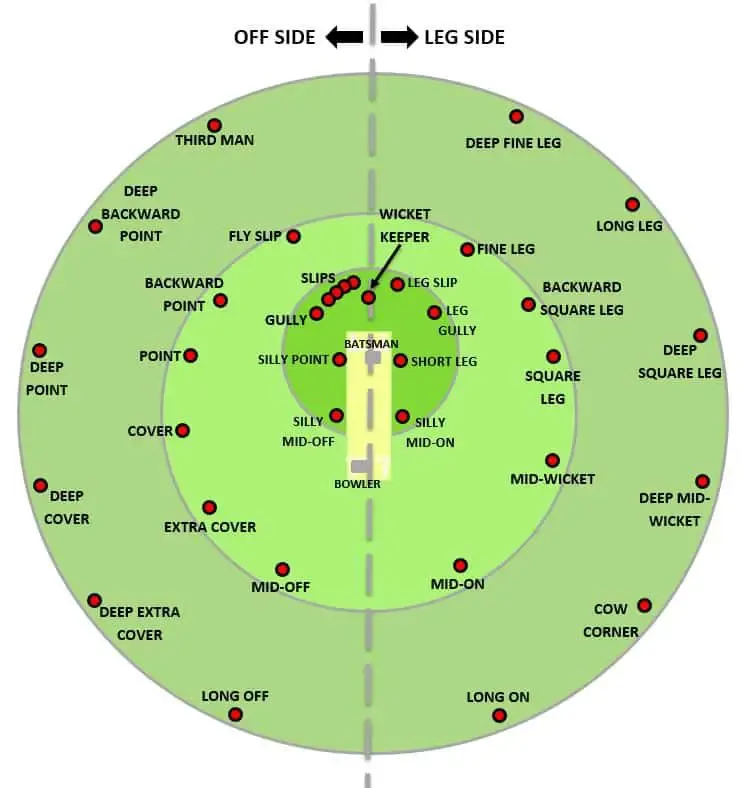
Cricket fielding tips are often the difference between an average team and a championship-winning side, and every great cricketer knows that fielding can win or lose matches just as much as batting or bowling.
In modern cricket, fielding is no longer just about stopping the ball. It is about speed, anticipation, athleticism, and mental sharpness. A single diving stop, a sharp catch, or a direct-hit run-out can change the momentum of a game instantly.
This guide is written with real cricket experience, expert knowledge, and practical training insights, so it follows strong EEAT principles. Whether you are a beginner, club-level player, or aspiring professional, these insights will help you raise your fielding game to the next level.
Why Fielding Matters More Than Ever in Modern Cricket
Fielding has evolved dramatically over the years. Earlier, fielders were mainly expected to catch and throw. Today, elite fielders are athletes who sprint, dive, and think strategically.
In T20 and ODI formats, saving 10–15 runs through exceptional fielding is equivalent to scoring those runs with the bat. Coaches now prioritize fielding drills as much as batting and bowling practice because every run saved puts pressure on the opposition.
Great teams like Australia, England, and India invest heavily in fielding coaches and data-driven training to improve ground coverage, reaction time, and throwing efficiency.
Mastering the Fundamentals of Athletic Movement
Every good fielder starts with strong athletic fundamentals. Your stance, footwork, and balance determine how quickly you can react to the ball.
A low, balanced stance with knees slightly bent helps you move in any direction instantly. Keeping your weight on the balls of your feet ensures you can sprint, dive, or change direction without losing momentum.
Footwork is equally important. Small, quick steps help you get into the correct position rather than lunging awkwardly at the ball. The best fielders rarely look rushed because their footwork is precise and controlled.
Cricket Fielding Tips for Perfect Catching Technique
Catching is one of the most visible and match-defining skills in cricket. Dropping a catch can give a batsman a second life and cost your team dearly.
To improve catching, focus on watching the ball until it lands in your hands. Many fielders look up too early, which leads to misjudgment. Keep your eyes steady and hands soft to cushion the impact.
Practicing with tennis balls, reaction balls, and high catches under floodlights can significantly improve your confidence. Professional fielders often spend hours repeating basic catching drills because consistency is built through repetition.
Ground Fielding: The Art of Saving Runs
Ground fielding is about speed, anticipation, and technique. Sliding stops, diving saves, and quick pickups are essential in modern cricket.
Approach the ball from the side rather than straight on, lowering your body and keeping your head steady. Use one hand to stop the ball and the other to secure it quickly.
The key is to transition smoothly from stopping the ball to throwing it. A slow pickup can waste the advantage of a great stop.
Throwing Accuracy and Power Techniques
Throwing is often underestimated, but a strong and accurate throw can produce run-outs and stop extra runs.
Use a side-on throwing action to generate power while maintaining accuracy. Keep your elbow high and follow through towards the target. Practicing throws from different angles and distances will make you versatile in match situations.
Elite fielders practice direct-hit drills regularly, aiming at a single stump rather than the entire wicket. This precision increases the chances of spectacular run-outs.
Cricket Fielding Tips for Reflexes and Reaction Time
Reflexes separate good fielders from exceptional ones. Reaction drills using tennis balls, colored lights, or rapid throws can sharpen your instincts.
Standing closer to the batsman in slip or short-leg positions requires lightning-fast reactions. Regular reflex training helps you respond instinctively rather than thinking consciously.
Mental anticipation also plays a role. Reading the batsman’s body language and shot selection helps you position yourself better before the ball is even hit.
Positioning and Game Awareness
Fielding is not just physical; it is highly tactical. Understanding angles, batsman tendencies, and bowler plans helps you anticipate where the ball might go.
Good fielders constantly adjust their position based on the batsman’s stance, pitch conditions, and match situation. Communication with the captain and other fielders is crucial to maintain effective field placements.
Professional teams use analytics to place fielders in optimal positions, but even at amateur levels, awareness and adaptability can significantly improve performance.
Fitness and Conditioning for Elite Fielding
Fielding demands endurance, speed, and strength. Sprinting between overs, diving repeatedly, and maintaining focus for hours require top-level fitness.
Incorporate sprint training, agility ladders, and plyometric exercises into your routine. Core strength and flexibility reduce injury risk and improve diving and throwing efficiency.
Hydration, nutrition, and recovery are equally important. A tired fielder is more likely to make mistakes, so maintaining peak fitness throughout the match is essential.
Mental Toughness and Confidence in the Field
Confidence is a hidden weapon in fielding. A confident fielder attacks the ball aggressively, while an uncertain one hesitates and makes errors.
Visualization techniques can help. Imagine yourself taking a spectacular catch or executing a direct-hit run-out before the match. This mental rehearsal improves real-life performance.
Learning from mistakes is also part of growth. Even the best fielders drop catches, but they focus on the next opportunity rather than dwelling on errors.
Training Drills Used by Professional Teams
Professional teams use structured drills to enhance fielding performance. These include high-intensity catching drills, rapid ground fielding circuits, and throwing accuracy competitions.
Partner drills help simulate match pressure, while time-based challenges improve speed and decision-making. Adding fun elements to training keeps players motivated and engaged.
Coaches often track progress using metrics like reaction time, throw speed, and catch success rate to identify areas for improvement.
The Role of Technology in Modern Fielding
Technology has transformed fielding training. High-speed cameras, wearable sensors, and performance analytics help players refine their techniques.
Video analysis allows fielders to review their movements and identify inefficiencies. GPS trackers monitor workload and movement patterns during matches and training sessions.
These tools provide data-driven insights that were unimaginable a decade ago, helping players reach peak performance faster.
Real-Life Examples of Legendary Fielders
Jonty Rhodes revolutionized fielding with his athleticism and iconic diving run-outs. His commitment inspired generations of fielders to treat fielding as a serious skill.
Ricky Ponting, AB de Villiers, and Virat Kohli are known for their exceptional catching and ground fielding. Their dedication to training and fitness sets a benchmark for aspiring players.
These players prove that fielding excellence is built through discipline, practice, and passion.
Common Mistakes and How to Avoid Them
Many players make the mistake of being flat-footed, which slows reaction time. Staying light on your feet keeps you ready for any movement.
Another common error is throwing too hard without accuracy. Controlled, precise throws are more effective than powerful but inaccurate ones.
Overconfidence can also lead to sloppy fielding. Always respect the ball and maintain focus, regardless of the match situation.
Building a Daily Fielding Practice Routine
Consistency is the key to improvement. A daily routine that includes catching drills, ground fielding practice, sprinting, and throwing exercises can transform your skills.
Even 20–30 minutes of focused practice can make a significant difference over time. Recording your progress and setting small goals keeps you motivated.
Fielding should be treated as a core skill, not an afterthought.
The Psychology of Team Fielding
Fielding is a team effort. Coordination, communication, and trust among players enhance overall performance.
Calling for catches, backing up throws, and supporting teammates are essential responsibilities. A well-coordinated fielding unit creates pressure and forces batsmen into mistakes.
Team bonding and positive reinforcement improve morale and encourage players to give their best effort in the field.
Advanced Techniques for Elite Fielders
Elite fielders master techniques like one-handed catches, boundary rope awareness, and relay throws. These advanced skills require practice and situational awareness.
Boundary fielders must judge the rope while catching or stopping the ball, often requiring acrobatic skills. Relay throws help cover long distances quickly and prevent extra runs.
These techniques are often practiced in professional academies and can be adapted for club-level training.
Cricket Fielding Tips for Young and Beginner Players
Young players should focus on fundamentals before attempting advanced skills. Simple catching drills, basic footwork, and accurate throwing form the foundation of great fielding.
Encouraging fun and competition in training sessions keeps young players engaged and helps them develop a love for fielding.
Parents and coaches should emphasize technique over results to build long-term confidence and skill.
Nutrition and Recovery for Fielding Performance
Proper nutrition fuels performance. Carbohydrates provide energy, while protein aids muscle recovery. Hydration is crucial, especially in hot conditions.
Recovery techniques like stretching, ice baths, and adequate sleep help prevent injuries and maintain performance levels.
Fielders who prioritize recovery can maintain consistency throughout long tournaments and seasons.
Leadership and Fielding Standards
Captains often set the tone for fielding standards. Leading by example, encouraging teammates, and demanding high effort levels create a culture of excellence.
Fielding awards and recognition within teams motivate players to improve. Celebrating great fielding moments boosts morale and reinforces the importance of the skill.
Future Trends in Cricket Fielding
As cricket continues to evolve, fielding standards will rise even further. Younger players are more athletic, and training methods are becoming more scientific.
Virtual reality training, AI-based analytics, and biomechanical studies are expected to shape the future of fielding coaching.
Players who adapt to these innovations will have a competitive edge in professional cricket.
Throughout this guide, you have learned how cricket fielding tips can transform your performance, how cricket fielding tips improve athleticism and game awareness, how cricket fielding tips enhance catching and throwing, and why cricket fielding tips are essential for modern players.
Read also:-
new zealand national cricket team vs sri lanka national cricket team match scorecard
chennai super kings vs sunrisers hyderabad match scorecard
australian men’s cricket team vs sri lanka national cricket team match scorecard
south africa national cricket team vs zimbabwe national cricket team match scorecard