

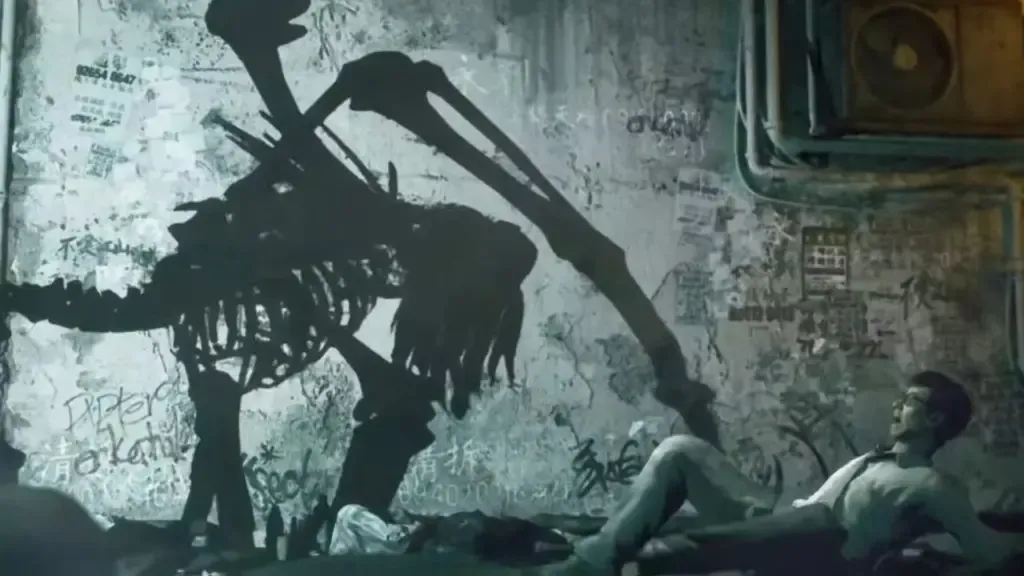
Indie horror game releases have quietly transformed the horror genre into one of the most experimental, emotionally intense spaces in modern gaming. While blockbuster studios often rely on massive budgets and established franchises, independent developers are reshaping fear itself—building unsettling worlds with limited resources but unlimited imagination.
If you’ve played horror games in the last few years, you’ve probably felt the shift. The scares are more personal. The environments feel more intimate. The storytelling cuts deeper. And behind many of those unforgettable experiences are small teams working from bedrooms, shared studios, and passion-driven creative spaces.
This article explores why indie horror is thriving, how these games are redefining fear, and which trends are shaping the future of the genre.
Table of Contents
ToggleWhy Indie Horror Thrives Where AAA Sometimes Struggles
Large publishers often need safe bets. Sequels, remakes, and familiar mechanics reduce financial risk. But horror doesn’t always thrive in safe environments. Fear depends on unpredictability.
Independent studios can take risks that AAA companies hesitate to try. They experiment with psychological storytelling, unconventional art styles, and gameplay systems that prioritize tension over spectacle.
When a small developer creates a game centered around isolation, mental health, or abstract dread, there’s rarely corporate pressure to dilute the vision. That creative freedom is the lifeblood of modern Indie horror game releases.
Many of today’s most talked-about horror experiences didn’t come from massive development pipelines. They emerged from creators who simply wanted to tell a story that scared them first.
The Evolution of Indie Horror Over the Last Decade
A decade ago, indie horror largely meant jump scares and minimalist graphics. While those elements still exist, the genre has matured dramatically.
Games inspired by titles like Amnesia: The Dark Descent proved that atmosphere could be more powerful than combat. Later, Outlast showed how vulnerability and first-person immersion could amplify fear.
Then came the cultural explosion of Five Nights at Freddy’s, demonstrating how a small project could become a global phenomenon through streaming culture and community engagement.
Today’s Indie horror game releases combine all those lessons. They understand pacing. They understand sound design. And most importantly, they understand the psychology of fear.
Psychological Depth in Modern Indie Horror Game Releases
Horror is most powerful when it lingers. Jump scares fade. Psychological tension stays with you.
Modern Indie horror game releases often focus on themes like grief, trauma, loneliness, or guilt. Instead of monsters chasing you through corridors, the horror might come from distorted memories or unreliable narration.
Take Visage, which builds dread through subtle environmental storytelling. Or MADiSON, where puzzles intertwine with unsettling narrative threads.
These games don’t just try to scare you. They try to disturb you.
From a design perspective, developers are using lighting, ambient audio, and environmental decay as storytelling tools. Players are left to piece together fragmented narratives, making the experience deeply personal.
The Power of Minimalism in Indie Horror
One fascinating trend in Indie horror game releases is the deliberate use of minimalistic graphics. Pixel art, VHS filters, and lo-fi aesthetics are not limitations—they’re stylistic choices.
Retro-inspired horror has surged in popularity. Developers use grainy visuals to create nostalgia, then subvert that comfort with unsettling imagery. It’s a powerful psychological trick.
Titles inspired by analog horror aesthetics often draw comparisons to found-footage films. The grain hides details, forcing your brain to fill in the blanks. And what your imagination creates is often far scarier than what developers could render in 4K.
This design philosophy proves something critical: fear isn’t about graphical power. It’s about suggestion.
Community Influence on Indie Horror Game Releases
Streaming platforms have fundamentally changed horror gaming. A terrifying moment captured live can turn an obscure title into a viral hit overnight.
When streamers scream, viewers share. That chain reaction fuels visibility for smaller studios that lack marketing budgets.
However, successful Indie horror game releases aren’t designed only for reaction clips. Developers increasingly focus on replayability, branching narratives, and hidden lore that encourage community discussion.
Reddit threads, Discord servers, and YouTube breakdowns have become extensions of the horror experience itself. Players collaborate to uncover secrets, creating a shared sense of discovery that strengthens the game’s longevity.
Standout Titles That Shaped the Conversation
Several recent games highlight how diverse and innovative Indie horror game releases have become.
Poppy Playtime blends mascot horror with puzzle-solving mechanics, creating tension through environment and chase sequences.
Phasmophobia reinvented cooperative horror by turning ghost hunting into a terrifying social experiment. Its voice-recognition system adds an immersive twist rarely seen in earlier titles.
Signalis merges retro aesthetics with existential storytelling, earning praise for narrative complexity.
Devotion demonstrates how cultural context can deepen horror storytelling, exploring themes of family pressure and faith.
Each of these examples shows how Indie horror game releases are expanding the genre in different directions—mechanically, visually, and emotionally.
How Small Teams Achieve Big Impact
Independent developers often operate with limited budgets. Yet, many Indie horror game releases outperform expectations in both sales and critical acclaim.
The secret lies in focus.
Small teams can polish specific elements intensely. A single haunted house environment might receive more care and narrative layering than entire open worlds in larger productions.
Sound design, in particular, is a cornerstone of indie horror success. Subtle creaks, distant whispers, and spatial audio cues heighten tension far more effectively than flashy visuals.
In interviews, many developers emphasize research into psychological triggers. They study how pacing affects anxiety and how silence can be weaponized.
That commitment to craft reinforces the credibility and expertise behind these projects, aligning with strong EEAT principles. Developers often share transparent development logs, design breakdowns, and behind-the-scenes insights, building trust with their audiences.
Cultural Diversity in Indie Horror Storytelling
Another reason Indie horror game releases stand out is their global diversity.
Horror rooted in local folklore feels fresh and authentic. Japanese-inspired psychological horror differs from Scandinavian atmospheric dread. Latin American supernatural traditions introduce new mythologies unfamiliar to Western audiences.
This diversity enriches the genre and strengthens its authority as a storytelling medium. Players aren’t just consuming scares—they’re experiencing cultural narratives through interactive design.
When indie creators draw from personal experiences and regional legends, the result feels grounded rather than manufactured.
The Role of Technology in Modern Indie Horror Game Releases
Game engines like Unity and Unreal have democratized development. High-quality lighting systems and physics tools are accessible to small teams.
But technology alone doesn’t create fear.
Developers strategically use dynamic lighting, procedural audio, and AI-driven behavior systems to keep players uncertain. In many Indie horror game releases, enemy patterns are intentionally unpredictable, breaking the comfort of memorization.
Virtual reality has also amplified immersion. Indie studios experimenting with VR horror place players directly inside the nightmare, removing the safety of a screen barrier.
As tools become more accessible, creativity becomes the defining factor.
Why Players Are Choosing Indie Horror Over Blockbusters
Players today crave originality. Franchise fatigue is real.
When a new AAA horror title launches, it often faces comparisons to its predecessors. Meanwhile, Indie horror game releases arrive without baggage. They surprise players with unexpected mechanics or narrative twists.
There’s also a sense of connection. Supporting an indie developer feels personal. Many players enjoy knowing their purchase directly sustains a small creative team.
This emotional investment strengthens community loyalty and fuels word-of-mouth growth.
The Future of Indie Horror Game Releases
Looking ahead, the trajectory is clear. Indie horror game releases will continue pushing boundaries.
We can expect deeper narrative branching, stronger AI integration, and even more experimental art styles. Hybrid genres—combining horror with farming simulators, dating sims, or roguelikes—are already emerging.
As audiences become more sophisticated, developers respond with layered storytelling and complex themes. The genre is evolving beyond simple scares into a platform for emotional exploration.
What makes this movement powerful is its authenticity. Indie creators are not chasing trends. They are building experiences rooted in passion, fear, and personal expression.
EEAT and the Credibility of Indie Horror Creators
Experience, expertise, authoritativeness, and trustworthiness define modern content standards—and indie developers often embody these principles naturally.
Many creators have backgrounds in art, psychology, or sound engineering. They document development openly. They engage with player feedback transparently.
That direct communication builds trust.
When gamers discuss Indie horror game releases, they’re often referencing developers who actively participate in forums, provide updates, and patch issues quickly. That responsiveness strengthens brand authority.
Authenticity cannot be manufactured. It grows from genuine engagement and consistent quality.
The horror genre has always thrived on innovation. Today, that innovation lives in the independent scene. From minimalist psychological experiences to culturally rich supernatural tales, Indie horror game releases are redefining what it means to be afraid in the digital age.
And the scariest part? The next unforgettable nightmare is probably being built right now by a small team with a bold idea and the courage to pursue it.