

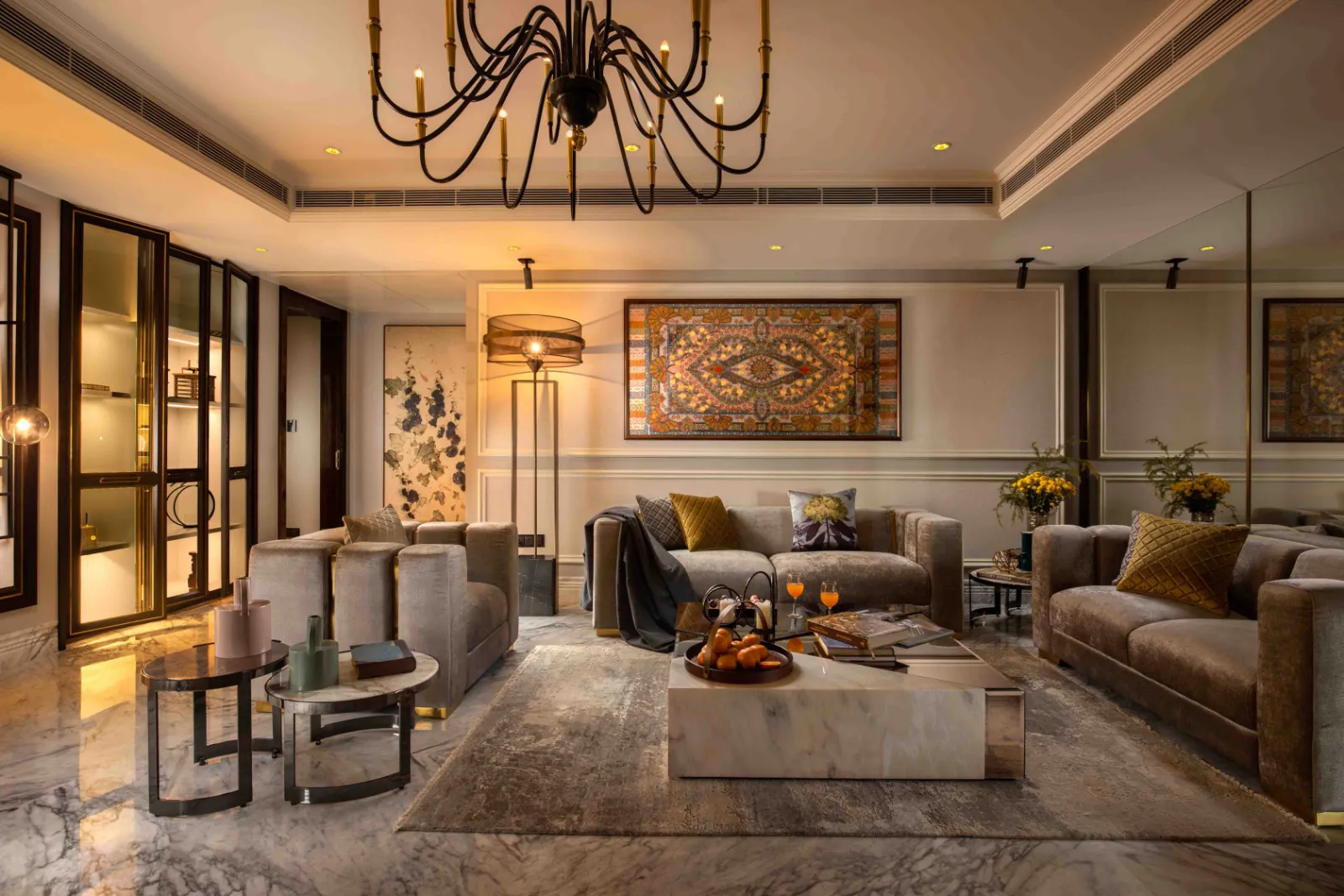
Luxe minimalism revival is the sophisticated answer to the cluttered, high-frequency world we currently inhabit, offering a sanctuary of quiet luxury and intentional design. If you have spent any time scrolling through high-end interior design portfolios lately, you have likely noticed a shift away from the stark, almost clinical minimalism of the early 2000s. We are moving toward a space that values depth over clutter and quality over sheer quantity. This movement is not just about having fewer things; it is about ensuring that every single object in a room tells a story of craftsmanship and refined taste.
I remember walking into a renovated townhouse in London last autumn that perfectly captured this spirit. The homeowner had previously filled the space with mid-century modern replicas and colorful gallery walls. It felt energetic but undeniably restless. After embracing the luxe minimalism revival, the transformation was breathtaking. The walls were finished in a soft, hand-applied lime wash that captured the shifting afternoon light. The furniture was sparse but substantial—a monolithic travertine coffee table sat atop a hand-knotted wool rug so thick it muffled every footstep. It felt like a deep exhale in architectural form.
This design evolution is fundamentally rooted in the concept of “Quiet Luxury,” a term that has migrated from the fashion runways of Milan to the heart of our living rooms. It is a rejection of the “fast furniture” culture that has dominated the last decade. Instead of chasing fleeting trends, people are looking for pieces that will age gracefully, developing a patina that reflects a life well-lived. It is a return to the basics but with a significantly higher set of standards for the materials we bring into our private sanctuaries.
The Philosophy Behind the Luxe Minimalism Revival
To truly understand this movement, we must look at how our relationship with our homes has changed over the last few years. The home is no longer just a place to sleep; it has become a multi-functional hub for work, wellness, and social connection. When a space serves so many purposes, visual noise becomes a source of mental fatigue. The luxe minimalism revival seeks to eliminate that noise while providing the tactile comfort that earlier iterations of minimalism lacked. It is a philosophy of “enoughness,” where nothing is missing and nothing is extra.
One of the key drivers of this revival is the global shift toward mindfulness and slow living. We are becoming more aware of how our environment influences our nervous system. Sharp edges, cold surfaces, and bright white lights can keep us in a state of low-level stress. By contrast, the current wave of luxury minimalism prioritizes organic shapes, warm color palettes, and soft, indirect lighting. It is design as a form of self-care, creating a container for peace in an increasingly unpredictable world.
Expertise in this field involves a deep understanding of materiality. You cannot hide behind clutter in a minimalist home, so every finish must be flawless. This means choosing a slab of Arabescato marble for a kitchen island not just for its color, but for the way its veins create a natural work of art. It means selecting solid oak flooring that feels warm under bare feet on a winter morning. This level of intentionality requires a high degree of trust in your designers and craftsmen, as the simplicity of the final look belies the incredible complexity of its execution.
Key Elements of the Luxe Minimalism Revival
The heartbeat of this style is found in the interplay of textures. In the past, minimalism was often equated with flat, smooth surfaces that could feel soulless. The luxe minimalism revival solves this by layering diverse textures within a monochromatic or tonal color scheme. Imagine a bedroom where the walls are a soft sand color, the bed is upholstered in a rich bouclé fabric, and the curtains are a heavy, unbleached linen. Even without bold colors, the room feels visually rich and deeply inviting because your eyes are constantly discovering new tactile sensations.
Color palettes have also evolved significantly during this revival. We are seeing a move away from “cool” greys and “stark” whites in favor of “warm” neutrals. Think of shades like parchment, mushroom, terracotta, and soft taupe. These colors have a grounding effect, making a large, open-plan space feel intimate rather than cavernous. They also provide a perfect backdrop for the architectural details of a home, allowing the shadows cast by a staircase or the curve of a doorway to become the primary decorative elements.
Furniture choices in this movement are characterized by “sculptural functionalism.” Every piece serves a purpose, but it also stands alone as a piece of art. We are seeing a resurgence of interest in designers who prioritize form and longevity. A dining table isn’t just a place to eat; it is a solid piece of walnut with a hand-carved base that invites guests to run their hands along the wood. This focus on the physical experience of furniture is what makes the luxury version of minimalism so much more successful than its more affordable, mass-produced counterparts.
Integrating Natural Light and Architectural Shadows
In a minimalist space, light is perhaps the most important “material” at your disposal. The luxe minimalism revival treats light as a dynamic element that changes the mood of a room throughout the day. Instead of relying on a single overhead fixture, designers use layers of light to create depth. Floor lamps with pleated silk shades, recessed cove lighting that washes a wall in a gentle glow, and strategically placed candles all contribute to an atmosphere that feels layered and intentional.
Shadows are just as important as light in this aesthetic. When you have a clean, uncluttered wall, the shadow cast by a structural column or a large leafy plant becomes a focal point. This creates a sense of movement and life within the room. Architects working within this style often use “apertures” or slim-frame windows to frame views of the outside world as if they were paintings. This connection to nature is a vital component of the revival, as it brings in the ultimate luxury—the changing seasons and the passage of time.
Storytelling through art is also handled differently in these homes. Rather than a wall full of small prints, a minimalist luxury home might feature one massive, textured canvas or a single bronze sculpture on a pedestal. This creates a singular point of focus that grounds the entire room. The art isn’t there to “fill space” or match the throw pillows; it is there to evoke a specific emotion and to provide a moment of contemplation. It is an exercise in restraint that pays off by making the chosen piece feel incredibly powerful.
The Importance of Sustainability and Heirloom Quality
One of the most responsible aspects of the luxe minimalism revival is its inherent focus on sustainability. By moving away from the “buy, use, discard” cycle of fast fashion and cheap furniture, we are reducing our environmental footprint. This style encourages us to buy fewer things but to spend more on each item, ensuring that it is made ethically and designed to last for generations. It is a “buy once, buy well” mentality that is essential for a more conscious future.
When you invest in a hand-crafted dining chair or a bespoke wool rug, you are supporting artisans who have spent decades perfecting their craft. This human element adds a layer of soul to a home that simply cannot be found in a factory-made product. There is a profound sense of satisfaction in knowing exactly where your furniture came from and the hands that shaped it. This transparency and connection to craftsmanship are key pillars of the authority and trust that modern luxury consumers are looking for.
Furthermore, this approach to design is future-proof. Trends come and go, but the beauty of natural materials and simple forms is timeless. A home designed with these principles will still look sophisticated twenty years from now. It won’t feel like a time capsule of a specific decade. This longevity is the ultimate form of luxury, as it provides a stable and beautiful environment that evolves with you as your life changes. It is an investment in your long-term well-being and the legacy of your home.
Practical Steps for Achieving the Luxe Minimalist Look
If you are looking to bring this aesthetic into your own home, the first step is a rigorous process of editing. You must look at every object you own and ask if it truly adds value to your life or your space. This isn’t about throwing everything away; it’s about being honest about what serves a purpose and what is simply taking up mental real-time. Start with one room and clear everything out, then slowly bring back only the pieces that are essential or deeply meaningful to you.
Once you have cleared the space, focus on the “bones” of the room. This might involve updating your flooring, smoothing out textured ceilings, or applying a high-quality mineral paint to the walls. These foundational elements are the canvas for your design. If the foundations are low-quality, the most expensive furniture in the world won’t make the space feel luxurious. Take your time with these decisions, as they are the hardest and most expensive things to change later on.
When it comes to sourcing furniture, look for “investment pieces” that combine comfort with beautiful form. Avoid sets where everything matches perfectly; instead, look for a mix of materials that feel harmonious. A velvet sofa can be paired with a metal side table and a wooden lounge chair. This variety creates visual interest and prevents the room from feeling like a furniture showroom. Remember that space itself is a luxury. Do not feel the need to fill every corner; let the furniture breathe and allow the eye to rest in the empty spaces.
The Psychological Impact of a Minimalist Sanctuary
Living in a home that prioritizes simplicity and beauty has a profound impact on our mental health. When our external environment is organized and calm, our internal world often follows suit. The luxe minimalism revival provides a backdrop for a more intentional way of living. When you aren’t constantly tidying up clutter or managing an excess of possessions, you have more time for the things that actually matter—connecting with loved ones, pursuing hobbies, or simply resting.
There is also a sense of pride and confidence that comes from living in a space that reflects your values. A curated home tells the world that you are someone who appreciates quality, history, and restraint. It is a quiet form of self-expression that doesn’t need to shout to be heard. This “quiet confidence” is the hallmark of the modern luxury consumer. They don’t need logos or flashiness to feel successful; they find satisfaction in the subtle details and the high-end materials that only they might truly notice.
We must also consider the sensory experience of “nothingness.” In our world of constant digital pings and vibrant advertisements, silence and empty space are the rarest of commodities. A minimalist home protects these resources. It provides a sanctuary where you can escape the noise and reconnect with yourself. It is a place where you can truly hear your own thoughts. This psychological benefit is perhaps the most valuable aspect of the entire movement, providing a level of luxury that money alone cannot buy.
Sourcing and Selecting Authentic Materials
To achieve a truly high-end minimalist look, you must become a student of natural materials. Not all marble is created equal, and not all wood is treated with the same care. When selecting stone, look for pieces with unique character that haven’t been over-polished. A honed finish often looks more sophisticated and feels better to the touch than a high-gloss one. The goal is to highlight the raw beauty of the earth, not to make it look like plastic.
Wood should be treated with oils or waxes that allow it to breathe and age naturally. Avoid thick, shiny varnishes that mask the grain. Whether it is a light ash or a deep, dark walnut, the wood should look and feel like wood. Similarly, with textiles, prioritize natural fibers like silk, wool, linen, and cashmere. These materials have a weight and a drape that synthetic fabrics simply cannot replicate. They also regulate temperature better, making your home more comfortable year-round.
Metal accents should be used sparingly but with high impact. Solid brass, blackened steel, or aged bronze are excellent choices for hardware, lighting, and furniture frames. These materials develop a beautiful patina over time, adding a sense of history to a new home. Avoid “brushed nickel” or “chrome” finishes that can look dated or cheap. The beauty of these authentic materials is that they get better with age, making your home feel more “lived-in” and luxurious as the years go by.
Designing for Comfort in a Minimalist Context
One of the most common critiques of minimalism is that it can feel “cold” or “uncomfortable.” The current revival addresses this head-on by making comfort a primary design goal. A beautiful chair is useless if it isn’t comfortable to sit in for several hours. A stunning bed is a failure if it doesn’t provide a restful night’s sleep. In this style, luxury is defined as the perfect marriage of form and function.
This means investing in high-quality upholstery and “inner-workings.” A sofa might look simple on the outside, but it should be constructed with a solid hardwood frame and high-density foam or down-wrapped cushions. This ensure that it retains its shape and comfort for a decade or more. Comfort also extends to the “climate” of a room—investing in high-quality windows, insulation, and underfloor heating are all part of the minimalist luxury experience. These invisible elements are what make a home truly feel like a sanctuary.
We should also consider “social comfort.” A room should be designed to facilitate connection between people. This might mean arranging your furniture in a way that encourages conversation rather than pointing everything toward a television. It might mean ensuring there is plenty of soft lighting for a dinner party or a comfortable nook for reading to a child. A home is ultimately a stage for human life, and the luxe minimalism revival provides a beautiful, uncluttered backdrop for those precious moments.
Curating a Minimalist Art and Object Collection
When you have less “stuff,” the things you do choose to display take on a much greater importance. Each object becomes a storyteller. This is the part of the design process where you can truly show your personality. Perhaps you have a collection of antique Japanese ceramics, or a few carefully chosen sculptures from a local artist. The key is to display them with intentionality, giving each piece enough space to be appreciated on its own.
Rotating your objects is a great way to keep your home feeling fresh without buying more things. You might display a few favorite books and a vase in the spring, then swap them out for a heavy bronze bowl and a single piece of sculpture in the autumn. This “curated rotation” allows you to appreciate your possessions in a new light and prevents you from becoming “blind” to the beauty of your own home. It is a way of staying engaged with your environment and practicing gratitude for the things you own.
Art should be chosen with the heart, not just the eyes. Don’t worry about whether a piece “matches” the room; if you love it and it is high-quality, it will work. Minimalist spaces are actually very forgiving of diverse art styles, provided the presentation is clean and professional. A large-scale abstract painting can work just as well as a stark black-and-white photograph or a series of minimalist sketches. The goal is to create a moment of beauty that invites the viewer to pause and reflect.
Maintaining the Aesthetic Over the Long Term
Living in a minimalist home requires a commitment to order and intentionality. It is not a “set it and forget it” design style. However, because you have fewer things, the actual work of maintenance is much simpler. It takes far less time to clean a home that isn’t full of knick-knacks and cluttered surfaces. This “ease of maintenance” is another hidden luxury of the style, freeing up your time for more enjoyable pursuits.
The key to keeping the look alive is to be very careful about what you allow into your home. Before buying anything new, ask yourself if it truly fits the aesthetic and if you have a specific place for it. Practice a “one in, one out” rule if you find your surfaces are starting to get crowded again. By being a “gatekeeper” for your own home, you can protect the peace and clarity that you have worked so hard to create. It is a continuous practice of mindfulness that pays off in a consistently beautiful environment.
You should also plan for the “patina” of your materials. Natural stone will stain, and wood will scratch. In a luxury context, these are not flaws; they are the marks of a home that is truly lived in. Embracing this aging process is part of the philosophy. It is what gives a home soul and character. By choosing high-quality materials from the start, you ensure that they will age beautifully rather than simply falling apart. This resilience is the ultimate mark of quality and the defining characteristic of the luxe minimalism revival.
As we look toward the future of interior design, it is clear that our desire for simplicity, quality, and comfort will only grow. The world is getting louder and more complicated, making our homes the most important assets we own for our mental and emotional health. By embracing the principles of the minimalist revival, we are choosing to create a life that is focused on what truly matters. We are choosing beauty over clutter and peace over noise. It is a journey toward a more intentional and refined way of living that honors the past while looking forward to a more conscious and sustainable future.