
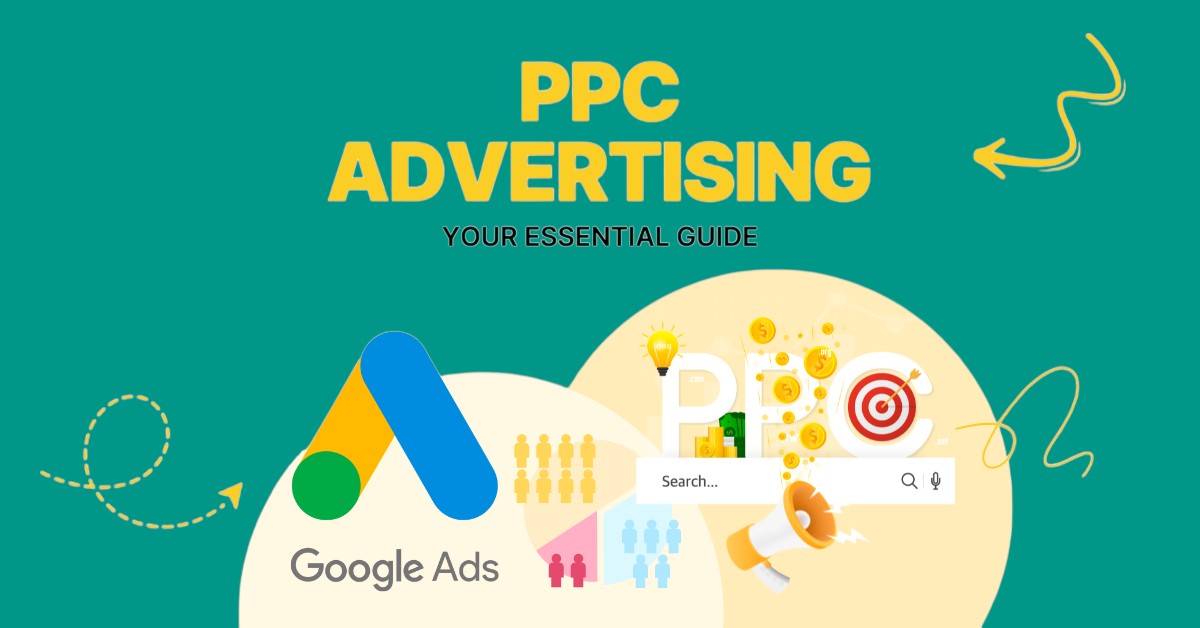
PPC advertising has become a cornerstone of digital marketing, helping brands reach targeted audiences with precision and measurable results. Over the past few years, advancements in technology, data analytics, and automation have transformed how businesses plan, execute, and optimize their paid campaigns.
For marketers, staying ahead in PPC advertising trends is critical to maximizing ROI and maintaining a competitive edge. Whether running search campaigns, display ads, or video promotions, understanding current trends can significantly impact campaign performance.
AI and Automation in PPC Advertising
One of the most impactful trends in PPC advertising is the integration of artificial intelligence and automation. Tools powered by AI, such as automated bidding strategies, predictive analytics, and dynamic ad creation, allow marketers to save time and improve targeting accuracy.
Digital marketing expert Neil Patel emphasizes that AI-driven automation helps optimize bids in real-time, ensuring budgets are spent efficiently and campaigns reach the most relevant audience. AI can also analyze historical data to predict trends and suggest actionable improvements.
Similarly, PPC consultant Brad Geddes notes that automation reduces manual errors and enables marketers to focus on strategy and creative elements rather than repetitive tasks.
Voice Search and PPC Advertising
Voice search is rapidly influencing how PPC advertising campaigns are structured. With the rise of smart speakers and voice-enabled devices, users are increasingly relying on conversational queries.
SEO strategist Aleyda Solis points out that advertisers need to adapt keywords and ad copy to reflect natural language and long-tail search phrases. Integrating voice search strategies into PPC campaigns ensures visibility in this emerging channel.
Data Privacy and Targeting Changes
Recent regulations, such as GDPR and CCPA, have reshaped PPC advertising by affecting how data can be collected and used for targeting. Marketers must adapt by focusing on first-party data and privacy-compliant strategies.
Advertising specialist Larry Kim highlights that while these changes pose challenges, they also encourage innovation in targeting methods. Contextual targeting, AI-based segmentation, and consent-driven marketing have emerged as viable solutions.
Video and Visual Advertising Trends
Video ads continue to dominate PPC advertising due to their high engagement rates. Platforms like YouTube, TikTok, and Instagram Reels offer extensive targeting options, allowing brands to reach specific demographics effectively.
Content creator Gary Vaynerchuk explains that storytelling in short-form video ads creates emotional connections with audiences, enhancing conversion rates. PPC campaigns incorporating visual elements like infographics, carousel ads, and interactive banners are also gaining traction.
Mobile-First Campaigns
With mobile traffic surpassing desktop usage, optimizing PPC advertising for mobile has become essential. Mobile-first campaigns ensure ads load quickly, are visually appealing, and provide seamless user experiences across devices.
Marketing strategist Amy Porterfield emphasizes that mobile optimization directly impacts quality scores, click-through rates, and conversion rates, making it a critical focus for modern campaigns.
Local PPC Advertising Strategies
Local targeting has gained importance in PPC advertising, particularly for small and medium-sized businesses. Ads that leverage geolocation, local keywords, and proximity-based offers drive higher engagement from nearby customers.
PPC expert Perry Marshall notes that combining local SEO with PPC campaigns enhances visibility, especially for brick-and-mortar stores. Tailoring ad copy to local audiences ensures relevance and boosts click-through rates.
Programmatic and Retargeting Trends
Programmatic advertising and retargeting have revolutionized PPC advertising by enabling automated, data-driven ad placements. Retargeting allows marketers to re-engage users who previously interacted with their brand, increasing conversion probability.
Advertising strategist Dennis Yu explains that programmatic campaigns utilize real-time bidding to deliver ads to the right audience at the right time, maximizing ROI. Integrating retargeting with personalized ad content further enhances effectiveness.
Emerging Platforms and Channels
While Google Ads remains a dominant force in PPC advertising, emerging platforms like Microsoft Ads, Amazon Advertising, and social media channels provide new opportunities. Brands exploring multi-channel PPC campaigns benefit from diverse audience reach and improved campaign performance.
Industry analyst Rand Fishkin highlights that exploring less saturated platforms can reduce competition, lower CPC, and provide higher visibility for niche products or services.
Metrics and Performance Optimization
Measuring the effectiveness of PPC advertising campaigns has evolved beyond clicks and impressions. Advanced analytics now track engagement, conversions, lifetime customer value, and cross-channel attribution.
Marketing analyst Avinash Kaushik emphasizes that understanding the customer journey and applying data-driven insights to campaign optimization ensures maximum ROI. Testing ad variations, analyzing heatmaps, and leveraging AI-driven reporting are crucial for continuous improvement.
Real-Life Examples of Successful PPC Campaigns
Several brands have demonstrated the power of embracing PPC advertising trends. E-commerce platform Flipkart increased conversions by leveraging AI-powered dynamic product ads. Similarly, fintech startup Razorpay optimized their campaigns with retargeting and mobile-first strategies, achieving higher engagement rates.
Marketing consultant Neil Patel shares that companies integrating AI, video, and contextual targeting have consistently outperformed competitors, highlighting the importance of adopting modern PPC advertising approaches.
Future of PPC Advertising
The future of PPC advertising is intertwined with AI, automation, and privacy-compliant data strategies. Marketers will increasingly rely on machine learning for bid optimization, predictive targeting, and dynamic creative generation.
Industry expert Brad Geddes predicts that hyper-personalized ad experiences, voice search integration, and immersive video content will dominate PPC advertising, enabling brands to connect meaningfully with audiences.
With the growing emphasis on ethical data usage and sustainability, PPC advertising will continue to evolve, balancing business goals with consumer trust and engagement.
Read also:
afghanistan national cricket team vs south africa national cricket team match scorecard
australian men’s cricket team vs england cricket team match scorecard
new zealand national cricket team vs pakistan national cricket team matches
india national cricket team vs zimbabwe national cricket team match scorecard