

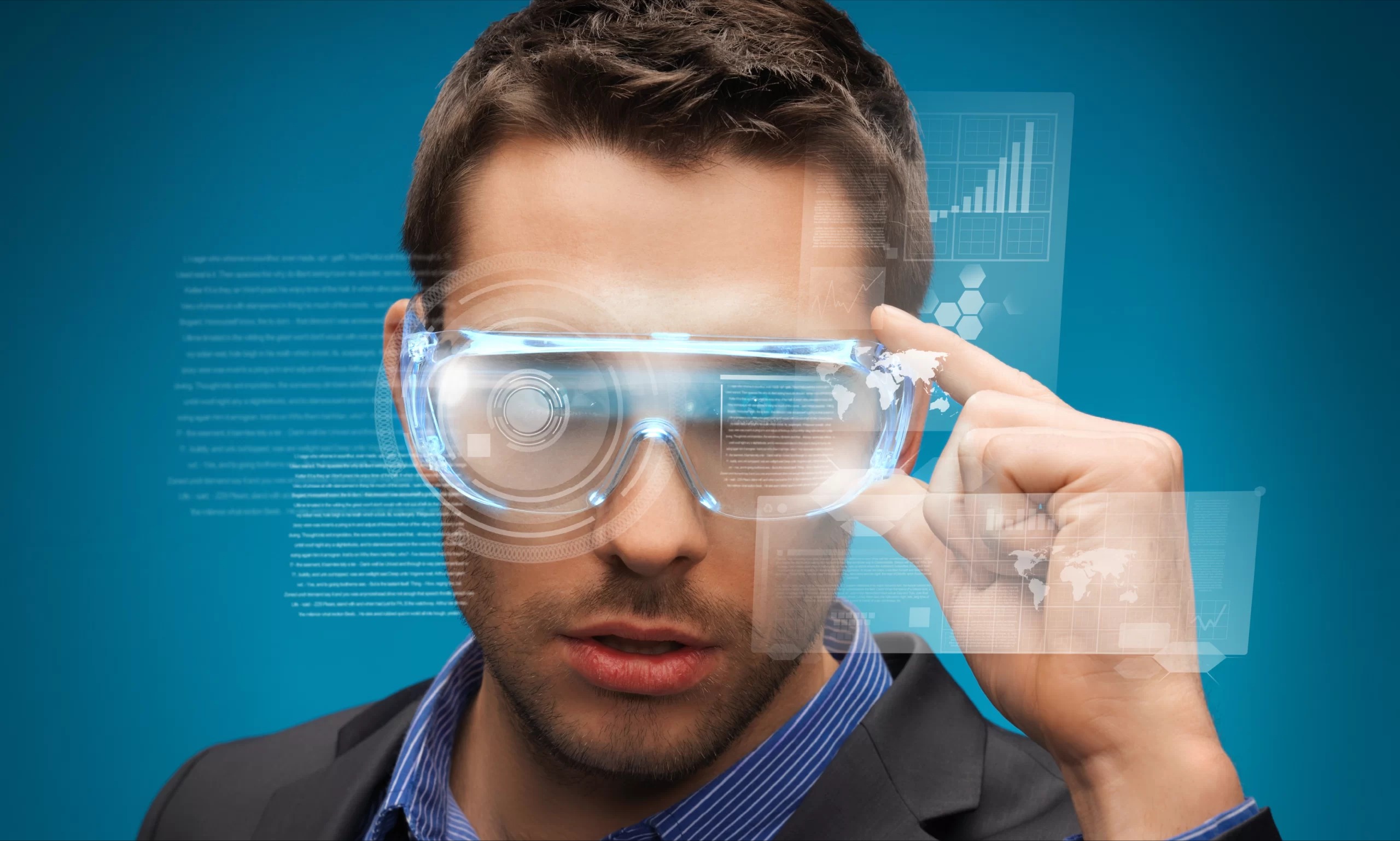
Smart glasses technology is no longer a sci-fi fantasy reserved for futuristic movies. It’s quickly becoming part of our everyday digital experience, blending the physical and digital worlds right before our eyes. From professionals using augmented reality in warehouses to students translating foreign text instantly, this innovation is reshaping how we interact with information.
Just a few years ago, wearable tech mostly meant fitness bands and smartwatches. Today, eyewear is entering the spotlight. And unlike earlier experimental devices, modern smart glasses are lighter, smarter, and surprisingly stylish.
This article explores how smart glasses technology works, where it’s being used, and why experts believe it will redefine communication, productivity, and entertainment in the coming decade.
The Evolution of Smart Glasses Technology
The journey of smart glasses technology has been anything but smooth. Early attempts struggled with bulky hardware, limited battery life, and privacy concerns. One of the most talked-about examples was Google Glass, which sparked global curiosity but also faced public backlash.
Despite initial setbacks, innovation didn’t stop. Companies learned from those early missteps. Today’s designs are far more discreet and functional. For instance, Ray-Ban Meta Smart Glasses combine traditional eyewear style with AI-powered features like voice commands and live streaming.
Meanwhile, enterprise-focused solutions such as Microsoft HoloLens have pushed boundaries in mixed reality. These devices show how smart glasses technology is evolving from a novelty gadget into a powerful professional tool.
The transformation didn’t happen overnight. It took years of advancements in micro-displays, AI chips, lightweight materials, and wireless connectivity to reach this stage.
How Smart Glasses Technology Actually Works
At its core, smart glasses technology integrates miniaturized hardware into a wearable frame. Inside what looks like an ordinary pair of glasses, you’ll find micro-projectors, sensors, microphones, cameras, and wireless modules.
When you issue a voice command or gesture, the onboard system processes your request using artificial intelligence. The glasses then project relevant information onto transparent lenses or small embedded displays.
Some models rely on augmented reality, layering digital content onto your real-world view. Others focus on audio assistance, delivering directions or notifications through bone-conduction speakers.
What makes modern smart glasses technology truly impressive is how seamlessly it blends these functions. The user doesn’t feel like they’re using a computer. Instead, it feels natural, almost invisible.
Why Smart Glasses Technology Matters in 2026
The global shift toward immersive computing is accelerating. Smartphones changed how we access information, but they still require us to look down at a screen. Smart glasses technology allows information to come directly into our field of vision.
Imagine walking through a new city. Instead of checking your phone for directions, arrows appear subtly on the road ahead. Restaurant reviews float beside storefronts. Language translation happens instantly.
This hands-free experience is a major leap forward. It increases convenience while reducing distractions. In high-risk environments like construction sites or hospitals, this can even improve safety.
The significance of smart glasses technology lies in its ability to make digital interactions feel effortless.
Enterprise Adoption of Smart Glasses Technology
While consumers are excited about stylish wearable devices, businesses have been quietly adopting smart glasses technology for years.
In logistics warehouses, workers use AR overlays to locate inventory faster. Technicians receive remote guidance from experts thousands of miles away. Surgeons consult 3D models during complex procedures.
For example, the DHL has tested smart glasses in order-picking operations, reporting improved efficiency and reduced errors. Manufacturing companies are also using AR-enabled eyewear for training and quality checks.
In these environments, smart glasses technology isn’t just convenient. It’s transformational. It shortens training time, improves accuracy, and enhances collaboration.
Consumer Applications: From Fitness to Social Media
Outside of enterprise settings, smart glasses technology is finding its place in daily life.
Fitness enthusiasts can track performance metrics while running without glancing at a smartwatch. Travelers can capture photos and videos hands-free. Students can access lecture notes while focusing on presentations.
Social sharing is another major driver. With integrated cameras and microphones, users can stream live moments directly from their perspective. This immersive storytelling style feels more authentic than traditional filming.
Brands are also integrating AI assistants into wearable eyewear. Instead of typing queries, users simply ask questions aloud and receive spoken responses. This natural interaction is a key reason why smart glasses technology is gaining momentum among younger users.
Privacy and Ethical Considerations
No discussion about smart glasses technology is complete without addressing privacy concerns.
Early wearable cameras sparked fears about unauthorized recording. Today, manufacturers include visible LED indicators to signal when recording is active. Some devices limit facial recognition features due to regulatory concerns.
Governments worldwide are still debating data usage, consent, and biometric storage. Responsible innovation is essential. Trust will determine whether smart glasses technology becomes mainstream or remains niche.
Transparency from companies and strong cybersecurity protections will shape public perception moving forward.
The Role of Artificial Intelligence in Smart Glasses Technology
Artificial intelligence is the engine powering modern smart glasses technology. Without AI, these devices would simply display static information.
AI enables real-time translation, object recognition, and contextual assistance. For instance, you can look at a plant and instantly identify its species. You can glance at a menu in another language and see translations appear.
Machine learning algorithms continuously improve performance based on usage patterns. The more you use the device, the smarter it becomes.
This integration of AI makes smart glasses technology far more than wearable screens. It turns them into adaptive digital companions.
Design and Comfort: The Silent Game Changer
One of the biggest hurdles for smart glasses technology has been design.
Early models looked futuristic but impractical. Today’s versions resemble regular eyewear. This shift is crucial for adoption. People want technology that fits seamlessly into their lifestyle.
Advancements in lightweight batteries and microchips have made frames slimmer. Materials like carbon fiber and advanced polymers improve durability without adding bulk.
Comfort matters because wearable devices must be worn for extended periods. Smart glasses technology is finally reaching a stage where performance and aesthetics align.
Market Growth and Industry Investment
Investment in smart glasses technology has surged over the past few years. Major tech companies are competing to dominate the AR wearable space.
The broader wearable market is expected to grow steadily as AR and mixed reality mature. Analysts predict that consumer adoption will increase significantly once battery life improves and prices become more accessible.
Tech giants see smart glasses technology as the next major computing platform, potentially replacing smartphones in certain scenarios.
This belief is driving heavy research and development spending across the industry.
Real-Life Story: A Day with Smart Glasses
Consider Rohan, a field engineer working in renewable energy installations. Instead of carrying manuals or calling supervisors repeatedly, he wears smart glasses connected to a remote support system.
While installing a turbine component, step-by-step instructions appear in his line of sight. When he encounters an unfamiliar issue, he initiates a live video feed to an expert who guides him in real time.
This isn’t a futuristic scenario. It’s happening today. Smart glasses technology is already improving productivity in real workplaces.
Stories like Rohan’s demonstrate the practical impact beyond marketing hype.
Challenges Facing Smart Glasses Technology
Despite its promise, smart glasses technology faces several obstacles.
Battery life remains a concern, especially for AR-heavy applications. Heat management in compact frames can also be challenging.
Cost is another barrier. High-end models remain expensive for average consumers. Additionally, app ecosystems are still developing, limiting functionality compared to smartphones.
Public acceptance will depend on how well these challenges are addressed. However, innovation cycles are becoming shorter, suggesting rapid improvements ahead.
The Future Outlook of Smart Glasses Technology
The next phase of smart glasses technology will likely focus on deeper AI integration and 5G connectivity.
Faster networks enable real-time cloud processing, reducing the need for heavy onboard hardware. This could make devices lighter and more affordable.
We may also see integration with smart homes and vehicles. Imagine adjusting lighting, unlocking doors, or accessing car diagnostics simply by looking at specific objects.
As augmented reality ecosystems mature, smart glasses technology could become as common as smartphones once were.
Why Smart Glasses Technology Is More Than a Trend
Trends fade. Platforms evolve.
Smart glasses technology represents a shift in how humans access information. It reduces friction between curiosity and knowledge. It bridges digital content with physical environments.
Unlike temporary tech fads, this innovation aligns with broader movements toward immersive computing, AI assistance, and hands-free interaction.
As more developers build applications and more consumers experience its convenience, the ecosystem will strengthen naturally.
EEAT Perspective: Trust, Expertise, and Real-World Value
From an Experience, Expertise, Authoritativeness, and Trustworthiness standpoint, smart glasses technology is supported by credible research, enterprise adoption, and continuous innovation from established technology leaders.
Industry case studies show measurable productivity improvements. Academic research supports AR-assisted learning benefits. Cybersecurity frameworks are evolving to address data protection.
Experts in wearable computing agree that integrating digital layers into daily life is a logical next step in technological evolution.
Consumers, however, must evaluate devices carefully. Reading independent reviews, understanding privacy policies, and choosing reputable brands are essential steps.
The future of smart glasses technology will be defined not just by hardware specs, but by responsible development and user trust.
Read also :-
| young18gye |
| miofragia |
| qapoxerfemoz |