

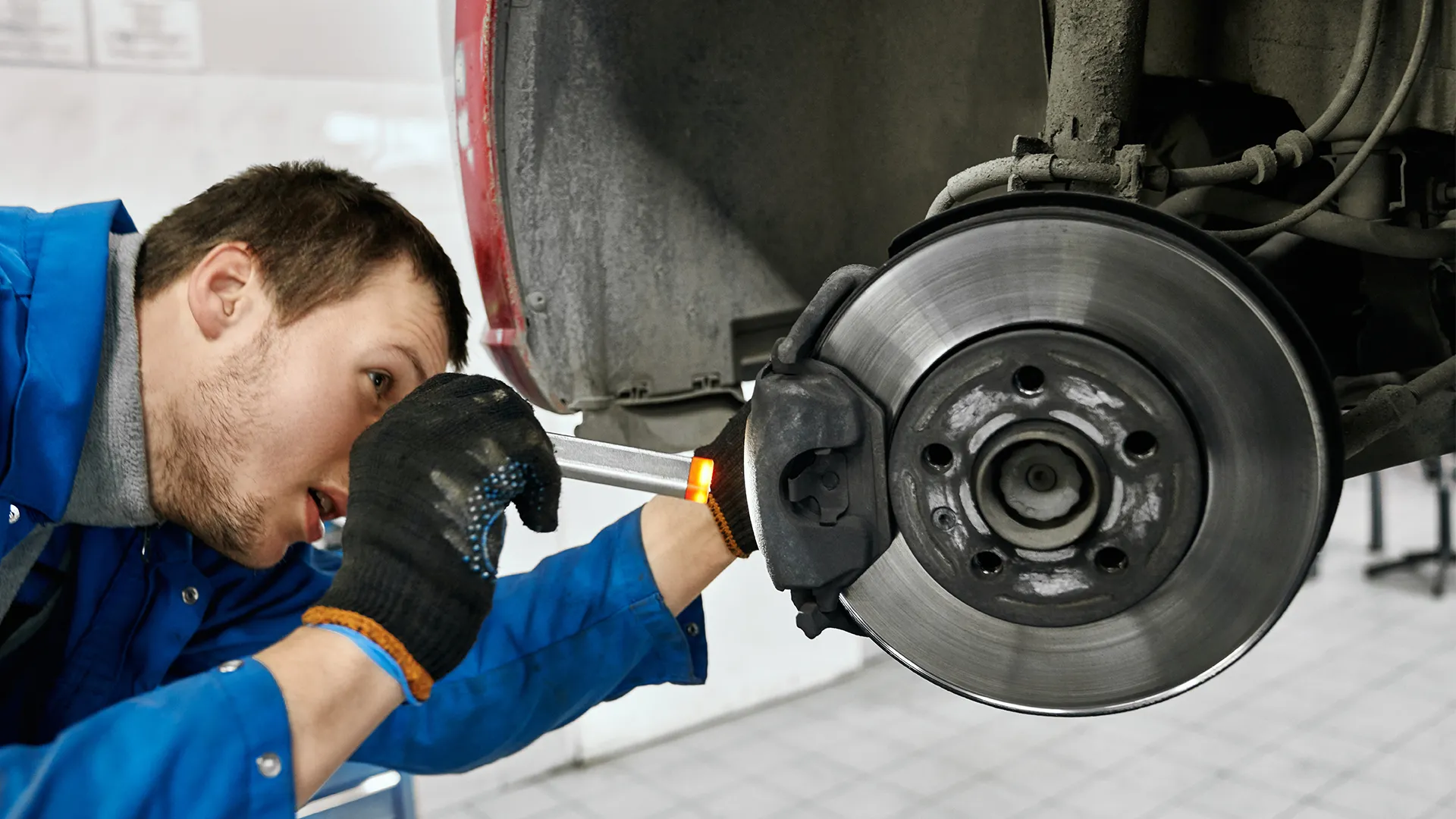
DIY brake pad replacement is one of the most common entry points into home car maintenance, and for good reason. Brake pads are wear-and-tear components, they are relatively accessible, and replacing them yourself can save a significant amount of money. For many drivers, the first time they hear a squealing sound from the wheels is also the moment they realize how important brakes really are.
Modern vehicles rely on disc braking systems that use pads to create friction against the rotor. Over time, this friction wears the pads down. Replacing them at the right moment protects your rotors, improves stopping power, and keeps you safe on the road. Doing it yourself adds another benefit: confidence.
This guide focuses on real-world experience, practical understanding, and safety-first thinking rather than rushed mechanical shortcuts.
Why more drivers choose DIY over workshop visits
Rising labor costs and long service wait times have pushed many car owners to explore basic maintenance themselves. Brake pad replacement often tops that list because it is predictable and repeatable.
Many workshops charge heavily for labor even though the actual pads may not be expensive. When drivers realize that the process mainly involves removal, inspection, and reassembly, curiosity turns into motivation.
There is also a sense of trust. When you do the work yourself, you know exactly what parts went in, how carefully they were installed, and whether anything else needs attention.
Knowing when brake pads actually need replacement
Brake pads do not fail suddenly in most cases. They give warnings. Squealing noises, grinding sounds, reduced braking response, or vibrations in the pedal are common signs.
Visual inspection is another reliable method. Many alloy wheels allow you to see the caliper and pad thickness without removing the wheel. If the pad material looks thin, replacement time is close.
Mileage is a rough guideline, but driving style matters more. City driving with frequent braking wears pads faster than highway cruising. Understanding these patterns is key before attempting DIY brake pad replacement.
Safety mindset before touching any brake component
Brakes are a safety-critical system. Confidence is good, but caution is essential. Working on a flat surface, using proper jack stands, and ensuring the vehicle cannot roll are non-negotiable steps.
Braking systems also involve heat and pressure. Allowing brakes to cool before working prevents injury. Keeping hands clean and avoiding contact with brake fluid reduces contamination risks.
A calm, unhurried mindset leads to better results. Rushing through brake work is how mistakes happen.
Understanding the brake pad replacement process conceptually
Before touching tools, it helps to understand what actually happens during replacement. The caliper clamps the pads against the rotor. To replace pads, the caliper must be opened or removed, the old pads slid out, and new ones installed.
The caliper piston then needs to be pushed back to accommodate thicker new pads. Everything is reassembled in reverse order, ensuring proper alignment and torque.
Understanding this flow reduces anxiety. You are not dismantling the entire braking system, just one controlled section of it.
DIY brake pad replacement and real-life first-time experience
Many first-timers remember the hesitation before loosening the first bolt. One common story is checking and rechecking instructions before moving ahead. This is normal.
Once the wheel comes off and the caliper is visible, things become clearer. Components are larger and sturdier than expected. With patience, the job becomes methodical rather than intimidating.
Most first-time replacements take longer than expected, but that time builds experience. The second time always feels easier and faster.
Importance of choosing the right brake pads
Not all brake pads are the same. Ceramic, semi-metallic, and organic pads behave differently in terms of noise, dust, and braking feel.
Choosing pads recommended for your vehicle ensures compatibility with rotor material and braking system design. Cheaper pads may wear faster or create noise issues.
Trusting reputable brands and matching pad type to driving conditions improves long-term satisfaction. This decision directly impacts the success of DIY brake pad replacement.
Role of proper inspection during replacement
Replacing pads is also an opportunity to inspect other components. Rotors should be checked for grooves, scoring, or excessive wear. Caliper pins should move smoothly.
Uneven pad wear may indicate sticking calipers or alignment issues. Spotting these early prevents future problems and saves money.
This inspection step adds value beyond just pad replacement. It turns a simple task into preventative maintenance.
DIY brake pad replacement and tool familiarity
While the process is straightforward, familiarity with tools matters. Understanding how a socket wrench feels under torque or how a clamp applies pressure improves control.
Improvised solutions can work, but purpose-built tools reduce risk. Calm, steady force is better than sudden movements.
Tool confidence grows quickly once you start. That confidence carries over into other maintenance tasks.
Managing brake dust and cleanliness
Brake dust is a byproduct of friction and can be harmful if inhaled. Cleaning components gently without blowing dust into the air protects health.
Keeping the workspace clean also improves focus. Dirt and grease can interfere with pad movement if not managed properly.
A clean brake assembly works more smoothly and quietly.
Post-installation checks that matter
Once pads are installed and wheels are back on, the job is not finished yet. The brake pedal must be pumped gently to seat the pads and restore proper pressure.
Initial braking may feel soft. This is normal until pads align fully with rotors. A cautious test drive in a low-traffic area helps confirm proper function.
Listening for unusual noises and feeling for vibrations ensures everything is working as intended.
DIY brake pad replacement and long-term confidence
Completing your first brake pad replacement changes how you see your vehicle. It no longer feels like a sealed machine only professionals can touch.
This confidence often leads to learning more maintenance skills. Oil changes, air filter replacement, and battery maintenance become less intimidating.
Knowledge builds independence, and independence builds trust in your own judgment.
Common mistakes beginners should understand conceptually
Many issues arise not from lack of skill but from lack of awareness. Forgetting to seat pads properly or failing to tighten bolts to specification can cause problems.
Understanding why each step matters helps prevent these mistakes. Brake systems are designed with precision. Respecting that design ensures safety.
Patience and attention matter more than strength or speed.
DIY brake pad replacement and EEAT principles
Experience matters in mechanical work. Learning from hands-on attempts builds real understanding. Sharing accurate information reflects expertise.
Authority comes from consistency and transparency. Acknowledging limits and knowing when professional help is needed builds trust.
Trust is reinforced when results match expectations. A quiet, responsive brake system confirms that the work was done correctly.
Following these principles aligns DIY maintenance with long-term reliability.
When DIY brake pad replacement may not be ideal
Some situations require professional attention. Severe rotor damage, electronic parking brakes, or complex braking systems may exceed basic DIY comfort levels.
Recognizing these boundaries is part of responsible car ownership. DIY does not mean doing everything yourself at all costs.
Knowing when to step back is a strength, not a weakness.
DIY brake pad replacement as a practical life skill
DIY brake pad replacement is more than a cost-saving exercise. It is a skill that improves awareness of how vehicles work and how safety systems interact.
This understanding makes drivers more attentive and responsible. It also fosters respect for maintenance schedules and component wear.
Over time, this knowledge contributes to safer roads and more informed vehicle owners.
How routine brake maintenance improves overall driving safety
Well-maintained brakes respond predictably. This predictability matters during sudden stops or emergency situations.
Drivers who understand their braking system tend to notice changes earlier. Early detection prevents failure and reduces repair costs.
Maintenance awareness directly contributes to road safety.
DIY brake pad replacement and long-term ownership value
Vehicles with well-maintained braking systems retain value better. Service records showing timely pad replacement reassure buyers.
Even for those not planning to sell, smoother braking improves daily driving comfort. Reduced noise, better pedal feel, and consistent stopping power enhance the driving experience.
This value extends beyond money into peace of mind.
DIY brake pad replacement as a gateway to smarter car care
Many experienced drivers trace their interest in car maintenance back to simple tasks like brake pads. It builds confidence step by step.
Understanding one system encourages learning about others. Over time, maintenance becomes proactive rather than reactive.
With proper care, patience, and respect for safety, DIY brake pad replacement becomes a rewarding and empowering part of vehicle ownership.
Read also: