

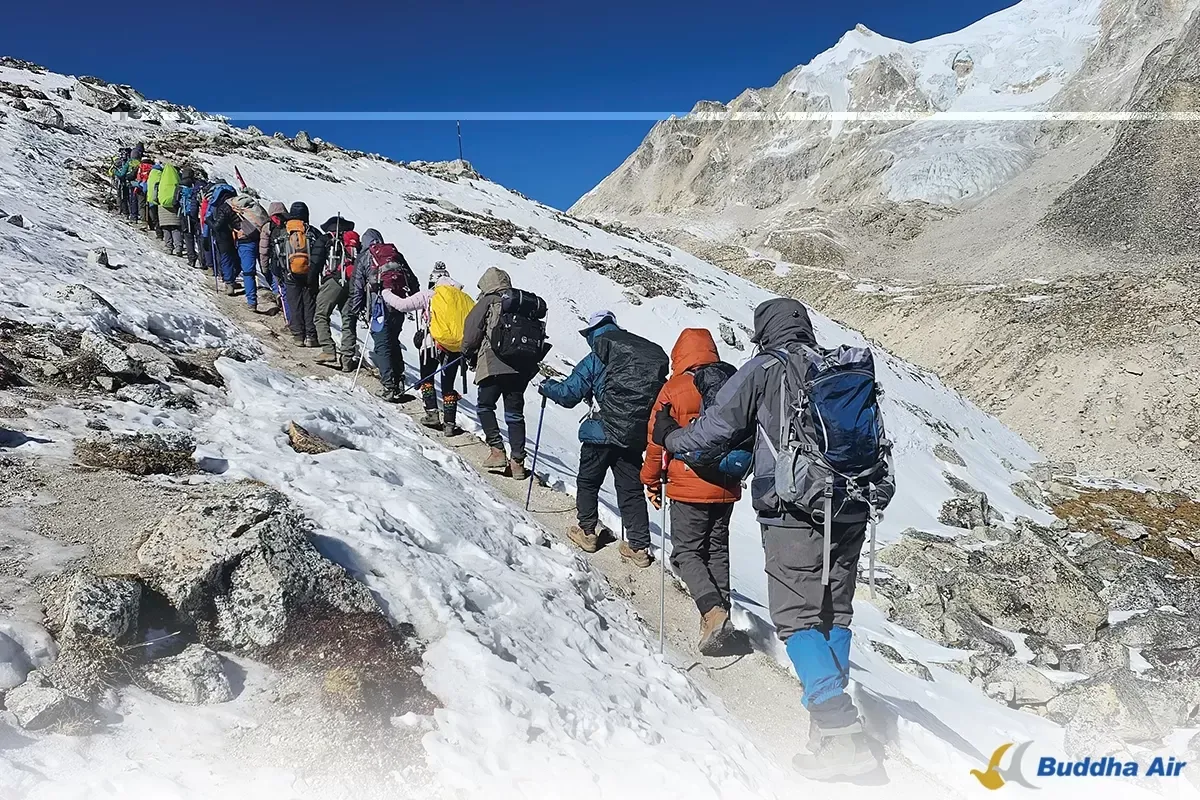
Mountain trekking routes open the door to landscapes that feel almost unreal, where every step forward reveals a new horizon and every breath carries the scent of wild earth. From snow-lined ridges to emerald valleys carved by ancient glaciers, trekking in the mountains is more than travel. It is a slow, intentional journey that connects body, mind, and terrain.
For seasoned hikers and first-time adventurers alike, exploring Mountain trekking routes offers a rare blend of challenge and serenity. You push your limits physically, yet you return mentally lighter. You feel small beneath towering peaks, yet empowered by your ability to climb toward them.
This guide draws on real trekking experiences, expert recommendations, and safety-focused insights to help you understand why mountain adventures remain one of the most transformative travel choices today.
Why Mountain Trekking Routes Inspire Deep Connection
There is something timeless about walking through high-altitude landscapes. Long before modern tourism, these paths linked villages, facilitated trade, and served as spiritual routes. Today, those same mountain trekking routes invite travelers seeking clarity and purpose.
When you trek, there is no rush. The mountains set the pace. You learn to breathe steadily, to respect the terrain, and to appreciate silence. Unlike fast-paced city trips, trekking encourages mindfulness. Each ascent demands focus, and each summit rewards patience.
I remember my first multi-day trek vividly. The second day was steep and exhausting. Yet when I reached the ridge at sunset, watching the sky turn orange over distant peaks, the fatigue dissolved into quiet pride. That emotional shift is something only mountains seem to deliver.
Iconic Mountain Trekking Routes Around the World
Everest Base Camp Trek in Nepal
One of the most legendary journeys among global mountain trekking routes is the Everest Base Camp trek in Nepal. Winding through the Khumbu region, this trail offers a front-row seat to the world’s highest peak.
The journey passes through Sherpa villages like Namche Bazaar, where colorful prayer flags flutter above stone paths. Trekkers gradually acclimatize to higher altitudes before reaching base camp beneath Mount Everest.
This route teaches humility. The air grows thinner, the terrain more rugged, and each step requires awareness. Experienced guides emphasize acclimatization days and hydration to prevent altitude sickness, reinforcing the importance of informed preparation.
The Inca Trail to Machu Picchu in Peru
The Inca Trail in Peru blends history with breathtaking Andean scenery. Ancient stone pathways lead trekkers through cloud forests and high passes before revealing Machu Picchu at sunrise.
This trek stands out among mountain trekking routes because of its cultural richness. You are literally walking through history. Archaeological ruins appear unexpectedly along the path, reminding travelers of civilizations that once thrived in these mountains.
Strict permit limits protect the trail’s integrity, demonstrating how sustainable tourism practices can preserve natural and historical heritage.
Tour du Mont Blanc Across Europe
Encircling the Mont Blanc massif, this classic European trek crosses France, Italy, and Switzerland. The route offers diverse scenery, from alpine meadows to glacial valleys.
Well-marked trails and comfortable mountain huts make it accessible for moderately experienced trekkers. It’s a perfect example of how organized infrastructure can enhance safety without diminishing adventure.
Preparing for Mountain Trekking Routes Safely
Preparation is what transforms a dream trek into a successful journey. Mountain environments are unpredictable. Weather shifts quickly, and elevation challenges the body in ways that surprise many beginners.
Building endurance through consistent training is essential. Long walks, stair climbs, and strength exercises prepare muscles for uneven terrain. Practicing with a loaded backpack helps your body adapt to real trekking conditions.
Gear matters more than most travelers realize. Proper boots prevent blisters that can end a trek early. Layered clothing helps regulate body temperature in fluctuating climates. Reliable navigation tools, whether GPS or physical maps, add a safety buffer.
Consulting licensed guides or experienced tour operators adds credibility and trustworthiness to your planning process. Responsible trekking prioritizes safety over speed.
How Mountain Trekking Routes Strengthen Mental Resilience
Physical strength is only part of the equation. Mountain trekking routes test your patience and mindset. There will be moments when the incline feels endless and fatigue whispers that you should stop.
On one Himalayan trek, a fellow traveler confided that she almost turned back halfway through. Instead, she slowed her pace and focused on breathing. Reaching the pass later that day wasn’t just a physical victory. It was proof that persistence matters more than speed.
The mountains teach perspective. Problems that felt overwhelming before the journey seem smaller after standing beneath towering peaks. That mental reset is one reason so many trekkers return year after year.
Sustainable Travel on Mountain Trekking Routes
High-altitude ecosystems are fragile. Increased tourism can strain local resources if not managed responsibly. Choosing eco-conscious operators and minimizing waste helps protect these environments.
Supporting local communities is equally important. Hiring local guides, staying in community-run lodges, and respecting cultural norms ensure that tourism benefits residents rather than disrupting traditions.
Sustainability is not a trend. It is a responsibility. Preserving mountain trekking routes today guarantees that future generations can experience the same sense of wonder.
Choosing the Right Mountain Trekking Routes for Your Level
Not every trek demands extreme endurance. Some mountain trekking routes are beginner-friendly, with gradual elevation gains and shorter daily distances. Others require technical skills and multi-week commitments.
Assessing your fitness honestly is crucial. Starting with moderate routes builds confidence and prepares you for more challenging adventures. Overestimating ability can increase injury risk or lead to altitude-related complications.
Seasonal research also plays a vital role. Weather patterns vary dramatically between regions. Understanding the best months for trekking reduces exposure to heavy rain or snowstorms.
Cultural Immersion Along Mountain Trails
Beyond scenic beauty, mountain trekking routes provide cultural insights that enrich the journey. In Himalayan villages, trekkers share tea with families whose lives revolve around agriculture and seasonal trade. In the Andes, traditional music echoes through mountain passes during festivals.
These human connections transform a trek into something deeper than exercise. Listening to local stories about sacred peaks or historical events creates a bridge between visitor and resident.
Respectful interaction builds mutual understanding. Learning a few phrases in the local language or observing regional customs shows appreciation for the communities that maintain these trails.
The Physical and Psychological Benefits of Mountain Trekking Routes
Scientific research supports what trekkers intuitively feel. Time spent in natural settings reduces stress hormones and improves mood. The steady rhythm of walking enhances cardiovascular health and endurance.
Mountain trekking routes amplify these benefits through altitude and immersion. The combination of physical effort and panoramic views stimulates both body and mind.
After completing a multi-day trek, many travelers report improved focus and renewed motivation. The simplicity of mountain life strips away distractions, allowing priorities to realign naturally.
Real Stories from the Trail
During a trek in Nepal, I met a traveler who had recently left a demanding corporate job. She admitted she booked the trek on impulse, unsure if she could handle the physical strain. By the third day, sore but smiling, she said the mountains were teaching her patience.
On the final morning, as we watched sunlight spill across distant snow peaks, she shared something powerful. The trek didn’t just challenge her body. It helped her slow down and think clearly for the first time in years.
That is the lasting impact of Mountain trekking routes. They reshape not only your itinerary but also your inner landscape.
Read also :-