

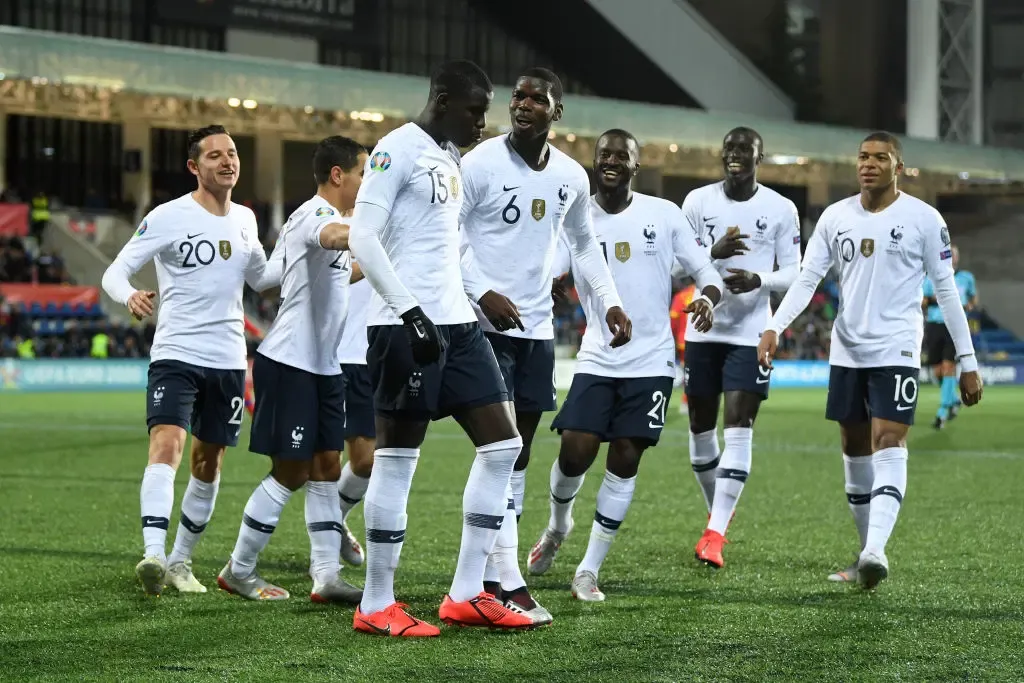
International Break Fixtures often divide the footballing world into two distinct camps: those who relish the patriotic surge of national pride and those who count down the seconds until domestic league action returns. For a dedicated supporter, the sudden halt of the Premier League or La Liga can feel like a cold shower, yet for the players involved, these windows represent the highest honor imaginable. It is a period where the tribalism of club loyalty is temporarily shelved in favor of a collective national identity, creating a unique atmosphere that only international competition can provide.
The rhythm of a modern football season is meticulously carved out by these specific windows. Usually occurring in September, October, November, and March, these breaks allow national teams to gather, train, and compete in various qualifying matches or continental tournaments. While some critics argue that they disrupt the momentum of a winning club side, others point out that they offer a vital reset for teams struggling in their domestic campaigns. It is a fascinating tug-of-war between the interests of multi-billion dollar clubs and the historic prestige of national associations.
When we look at the schedule, we see more than just a list of games; we see a logistical masterpiece. Coordinating the movement of hundreds of elite athletes across continents in a matter of 48 hours is a feat that requires military-level precision. A player might finish a high-stakes match in London on a Sunday evening and be expected to attend a training session in Rio de Janeiro or Tokyo by Tuesday afternoon. This grueling travel schedule is the hidden reality behind the glamour of representing one’s country on the world stage.
The tension between club managers and national team coaches is a recurring theme during these periods. Managers like Jurgen Klopp or Pep Guardiola have often been vocal about their concerns regarding player welfare and the risk of injury. Every time a star player limps off the pitch during a qualifying match, a collective shudder goes through the boardrooms of their respective clubs. This risk, often dubbed the “FIFA Virus,” remains the biggest point of contention in the current global footballing calendar.
The Strategic Impact of International Break Fixtures on Club Form
The aftermath of an international window often produces some of the most unpredictable results in domestic football. Teams that were on a ten-match winning streak suddenly look disjointed, while bottom-tier clubs find a new lease on life. This is largely due to the “re-entry” phase, where players must quickly pivot from the tactical demands of their national coach back to the philosophy of their club manager. It is a mental and physical recalibration that not every athlete handles with the same level of efficiency.
Consider the tactical shift required for a defender. At their club, they might play in a high-pressing system with a very high defensive line. Two days later, they are asked to sit deep in a low block for their country, defending for ninety minutes against a superior opponent. This constant shifting between styles can lead to hesitation and errors when they return to their domestic duties. This is why many savvy managers use the first training session after a break not for fitness, but for tactical re-programming.
The psychological weight of these matches cannot be underestimated. For many players, representing their country is the realization of a childhood dream. Scoring a goal in front of your home crowd or leading your nation to a major tournament provides a massive confidence boost that can be carried back to the club. Conversely, a devastating loss or a missed penalty in a crucial qualifier can lead to a dip in form that lasts for weeks. The emotional stakes are simply higher when you are playing for more than just a paycheck.
We also see a significant impact on the “fringe” players of a squad. For those who aren’t regular starters for their clubs, International Break Fixtures provide a vital platform to gain match fitness and show their worth. A strong performance on the international stage often forces a club manager to reconsider their starting lineup. This internal competition, fueled by international exposure, is one of the primary ways that squad depth is tested and improved throughout a long and arduous season.
Why International Break Fixtures are Vital for Global Football Growth
Beyond the elite European nations, these windows are the lifeblood of footballing development in Asia, Africa, and North America. For many smaller nations, these matches are the only time they get to see their local heroes face off against world-class opposition. The revenue generated from ticket sales and broadcasting rights for these games is often what funds the grassroots programs and youth academies in developing footballing nations. Without this structured calendar, the gap between the haves and the have-nots would only widen.
The introduction of the UEFA Nations League and similar formats in other confederations has breathed new life into what used to be a dull schedule of friendly matches. By adding a layer of competition and the prospect of promotion or relegation, these games now have a genuine edge. Fans are more engaged because the results actually matter, and players are more committed because there is a trophy—and a potential path to a major tournament—on the line. It has turned “meaningless friendlies” into must-watch television.
The storytelling aspect of international football is where the true magic lies. We have all seen the historic upsets where a nation with a population of a few hundred thousand defeats a global superpower. These moments are only possible because of the international calendar. They provide a sense of hope and inspiration that transcends the sport, proving that on any given day, eleven determined players can overcome the odds. These are the stories that parents tell their children, keeping the love for the game alive across generations.
Traveling supporters also play a massive role in the unique culture of these fixtures. There is something special about thousands of fans crossing borders to support their team in a foreign capital. The sea of national colors, the anthems, and the shared camaraderie create a festival-like atmosphere that is rarely matched in the club game. For many fans, an international away day is the highlight of their year, offering a chance to explore new cultures while bonded by a common love for their country.
The logistics of managing the health of players during these windows have improved drastically with the help of technology. Many clubs now send their own physiotherapists or data analysts along with their star players to ensure they are being looked after according to the club’s specific protocols. This collaboration between club and country is essential for minimizing injury risks. While it doesn’t eliminate the “FIFA Virus” entirely, it provides a much-needed safety net for the most valuable assets in the sport.
We must also acknowledge the tactical innovation that often stems from international football. Because national coaches have very little time to work with their players, they often have to come up with creative and simplified tactical solutions that maximize their squad’s strengths. These innovations occasionally trickle back down to the club game. A successful defensive shape or a new way of utilizing a “false nine” in a World Cup qualifier can influence the tactical trends of the major leagues for the following season.
The scouting opportunities during these windows are immense. Scouts from top clubs around the world descend on these matches to find the next “undiscovered” talent. A young player performing well for a smaller nation against a powerhouse like France or Brazil can see their market value skyrocket overnight. This global shop window is vital for the movement of talent and ensures that the best players eventually find their way to the best leagues, regardless of where they were born.
The commercial side of the international break is also a massive machine. Sponsors pay millions to have their logos associated with national teams, and the television audiences for these matches often dwarf those of standard league games. This influx of capital is what allows national associations to build state-of-the-art training centers and invest in women’s football and disability sports. It is a virtuous cycle that begins with the simple act of scheduling a match between two nations.
As the game continues to grow, we are seeing more “inter-continental” friendlies and tournaments being arranged during these windows. This exposure to different styles of play is crucial for the development of players. A European defender facing a South American striker with incredible flair or an African winger with explosive pace learns things they simply wouldn’t learn in their domestic league. This diversity of experience is what makes the World Cup so special, but it is built during the quiet moments of the international breaks throughout the year.
The pressure on the referees during these matches is also unique. Officiating a game between two nations requires a high level of cultural sensitivity and a deep understanding of the different ways the game is played around the world. It is often a testing ground for new officiating technologies, such as semi-automated offside or updated VAR protocols. The lessons learned here are then applied to the club game, ensuring that the rules of the sport are enforced consistently across all levels.
Reflecting on the emotional journey of a debutant provides another layer of depth to these fixtures. Imagine a nineteen-year-old being called up to represent their country for the first time. The pride of the family, the excitement of the local community, and the sheer nerves of walking out into a packed stadium are what the sport is truly about. These are the moments that define a career and create the legends of the future. The international break is the factory where these dreams are manufactured.
The debate about the frequency and timing of these breaks will likely never end. Some suggest a single, longer window at the end of the season to reduce travel, while others prefer the current intermittent schedule. Whatever the future holds, the fundamental importance of the international game remains unshakable. It is the only time when the entire world stops to watch the same game, united by a shared passion that goes beyond the boundaries of club and commerce.
Every International Break Fixtures list is a map of the world’s current footballing power dynamics. We see the rise of new forces and the slow decline of former giants. We see the tactical trends that will define the next decade and the individual talents who will become household names. It is a vital, breathing part of the footballing ecosystem that ensures the game remains truly global.
The next time you see the domestic leagues pause, instead of lamenting the lack of club action, take a moment to appreciate the broader picture. Look for the underdog story in a far-off continent, watch the debut of a promising youngster, or simply enjoy the spectacle of a high-stakes qualifier. The international break is not a interruption of the season; it is an essential chapter of the story that makes football the greatest show on earth.
We often focus on the stars of the Premier League or the Champions League, but the international stage is where the soul of the game resides. It is where history is written in the colors of a flag rather than the logo of a sponsor. As long as there are nations with a ball and a dream, these fixtures will continue to be the most important dates on the calendar, reminding us all why we fell in love with this game in the first place.
The relationship between a player and their national shirt is something that money cannot buy. It is a bond forged in childhood and tested in the heat of competition. This is why players will continue to fly thousands of miles and push their bodies to the limit. They understand that while a club career is a profession, playing for your country is a calling. This spirit is what keeps the international game alive and thriving in an increasingly commercialized world.
The evolution of the international calendar will continue to adapt to the needs of the modern world, but its core purpose will remain the same. It is the ultimate test of a footballer’s skill and character, requiring them to perform under a unique kind of pressure that no club match can replicate. It is the pinnacle of the sport, and it always will be.
Managing the workload of these athletes is the challenge of the century for footballing authorities. Finding the balance between the needs of the clubs, the ambitions of the nations, and the health of the players is a complex task that requires constant dialogue. As we look toward future tournaments, the lessons learned from every international break will be the foundation upon which the next generation of football is built.
The magic of the game is its ability to surprise us, and the international stage is the most fertile ground for those surprises. From the tactical masterclasses to the moments of individual genius, International Break Fixtures provide a constant stream of high-quality drama that enriches the sport. It is a celebration of diversity, a testament to national pride, and a vital component of the beautiful game’s enduring legacy.
Read also :-
mohammedan sc vs odisha fc lineups
bengaluru fc vs hyderabad fc lineups
northeast united fc vs mohun bagan super giant lineups
hyderabad fc vs east bengal fc lineups